
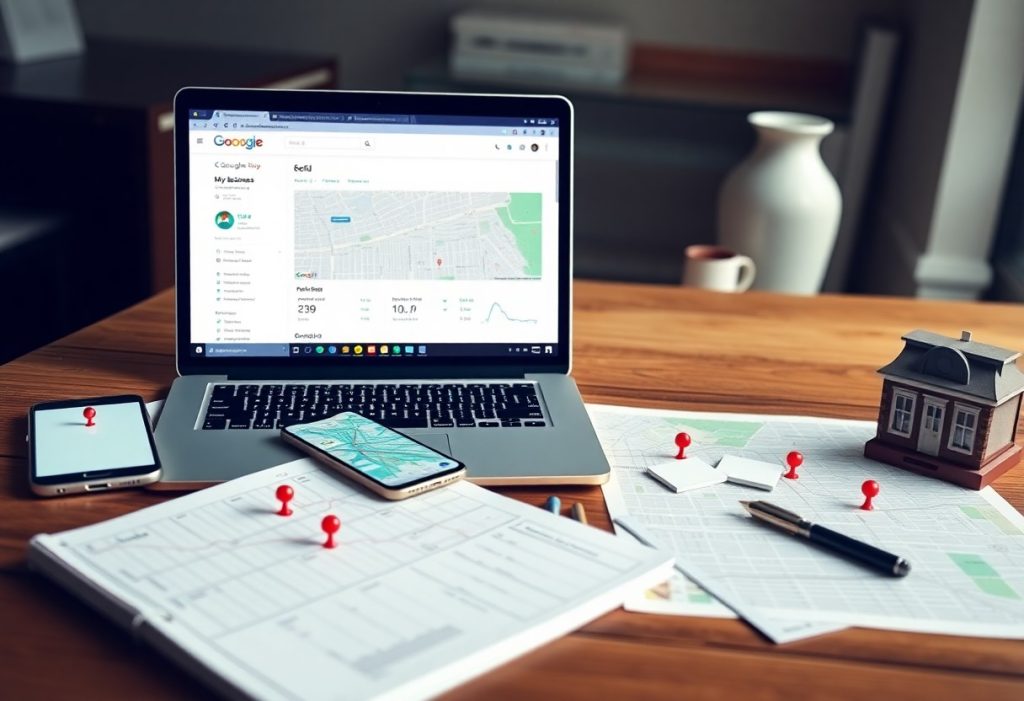

Local visibility determines whether nearby customers find your business or choose a competitor. You appear in map packs, local directories, or customer reviews every time someone searches for services close to them. Your presence in these results isn’t accidental, it’s shaped by deliberate, structured actions that align with how search engines interpret geographic relevance. This guide shows you exactly how to build and refine that presence.
Identifying the Primary Types of Local Search Results
Local search results fall into distinct categories that determine how your business appears to nearby customers. The most prominent include the Google Map Pack, Knowledge Panel, and geographically modified organic listings. Each serves a unique function in local visibility. After identifying which formats apply to your industry and location, prioritize optimization for those with the highest engagement potential.
| Google Map Pack | Displays three local businesses with names, ratings, and locations |
| Knowledge Panel | Shows detailed business info after a direct query about your brand |
| Organic Listings | Standard search results influenced by local keywords |
| Local Universal Results | Blended format combining organic and map results |
| Service Area Listings | Appear when businesses serve regions without a physical storefront |
The Google Map Pack and Knowledge Panel
Your business may appear in the Google Map Pack when users search for services near them, showing a cluster of three local options with photos, reviews, and contact details. This section dominates mobile search results and often appears above traditional organic listings. The Knowledge Panel activates when someone searches your business by name, pulling verified data from Google Business Profile to display hours, location, and services.
Geographically Modified Organic Listings
Searchers typing “plumber in Austin” or “best coffee Portland” trigger geographically modified organic results, where Google adjusts rankings based on proximity and relevance. These listings rely on on-page signals like location-specific keywords, NAP consistency, and localized content. After optimizing title tags and meta descriptions with city or neighborhood names, your site gains better alignment with these queries.
Google interprets regional intent through IP location, device settings, and search phrasing, adjusting organic results accordingly. A mid-sized SaaS firm targeting multiple cities might create dedicated landing pages for each market, embedding schema markup and citing local landmarks or events to strengthen relevance. Content must reflect authentic regional value, not just keyword insertion, to rank effectively in these modified results.
Critical Ranking Factors for Geographic Dominance
Proximity, relevance, and prominence determine how your business appears in local search results. Google weighs physical distance from the searcher, keyword alignment in your profile and content, and your online reputation through reviews and citations. A strong presence in these areas improves visibility in the local pack. Though algorithms evolve, these core signals remain consistent across industries and regions. Though many factors influence performance, focusing on verified data, engagement, and location-specific content delivers measurable impact. Though competition varies by city, consistency across platforms builds long-term advantage. Though national brands have scale, local businesses often outperform them in hyperlocal queries by optimizing these elements precisely. Though SEO takes time, improvements in these areas often reflect in rankings within weeks. Though no single tactic guarantees top placement, mastering the fundamentals increases your odds significantly. Though tools can help automate parts of the process, human oversight ensures accuracy and context. Though algorithm updates occur frequently, businesses that prioritize genuine local relevance maintain stable rankings. Though mobile search behavior shifts, proximity-based queries remain central to local discovery. Though voice search grows, it relies on the same underlying signals. Though directories multiply, Google still prioritizes authoritative, consistent data sources. Though social media expands, it plays a secondary role compared to core local SEO elements. Though backlinks matter, local citations from trusted sites carry more weight for geographic ranking. Though content volume helps, relevance to the local audience matters more. Though images and posts boost engagement, accurate NAP information forms the foundation. Though customer interaction is valuable, structured data ensures machines understand your business location. Though schema markup is technical, it directly influences how search engines interpret your site. Though reviews affect reputation, their textual content also contributes to keyword relevance. Though response rates matter, the sentiment and frequency of feedback shape perception. Though competition analysis informs strategy, your own data consistency determines baseline performance. Though tools highlight gaps, manual verification prevents errors. Though automation saves time, over-reliance risks inaccuracies. Though templates standardize input, local nuances require customization. Though multi-location businesses face complexity, individual store optimization yields better results. Though franchise models standardize branding, local market adaptation improves relevance. Though some factors are outside your control, optimizing what you can manage creates a competitive edge. Though search behavior evolves, the core principles of proximity, relevance, and trust endure. Though new features emerge, the Google Business Profile remains central to local discovery. Though algorithmic weight shifts, verified location data consistently influences outcomes. Though user intent varies, clear, accurate information meets most needs effectively. Though mobile dominates, desktop local search still drives conversions in certain sectors. Though click-to-call rises, direction requests indicate high purchase intent. Though listing completeness helps, active management separates top performers. Though photos improve engagement, accurate hours prevent customer frustration. Though posts generate visibility, consistent information builds trust over time. Though Q&A participation is optional, answering questions reduces misinformation. Though attributes like “women-owned” or “veteran-led” add context, they only appear if claimed and verified. Though service areas can be defined, physical presence strengthens ranking potential. Though categories are selectable, choosing the most specific option improves targeting. Though primary categories limit selection, secondary ones expand relevance. Though attributes update dynamically, manual review ensures accuracy. Though review count matters, recent activity signals ongoing engagement. Though star ratings influence clicks, detailed feedback aids content optimization. Though sentiment analysis tools exist, reading reviews personally reveals nuanced insights. Though response templates save time, personalized replies build rapport. Though negative reviews are unavoidable, timely, professional responses mitigate damage. Though reputation management is ongoing, proactive monitoring reduces surprises. Though alerts help, scheduled checks ensure nothing slips through. Though third-party sites aggregate data, Google pulls from multiple sources independently. Though citation consistency is ideal, discrepancies are common and correctable. Though cleanup takes effort, standardized NAP across directories strengthens authority. Though directories vary in importance, top-tier sites like Yelp, Apple Maps, and Bing influence visibility. Though niche directories exist, industry-specific ones often carry higher relevance. Though local news sites are hard to earn, mentions there boost credibility. Though event sponsorships generate exposure, linking them online amplifies SEO value. Though community involvement builds goodwill, documenting it online extends reach. Though press releases are outdated for SEO, localized announcements still earn citations. Though guest posting has declined, co-branded content with local partners creates mutual benefit. Though link building is harder, earned mentions from local organizations remain valuable. Though directories automate submission, manual entry reduces errors. Though data aggregators feed multiple sites, claiming profiles ensures control. Though Infogroup and Neustar historically powered listings, Google now uses a broader mix of sources. Though Moz Local and Yext offer management, direct control avoids dependency. Though subscription services exist, free tools like Google Search Console provide imperative insights. Though performance tracking is possible, interpreting local algorithm changes requires experience. Though ranking fluctuations occur, steady optimization smooths volatility. Though competitors may rank higher, analyzing their profiles reveals gaps in your own. Though back
Step-by-Step Guide to Executing a Local Strategy
Follow this structured approach to build a repeatable, scalable local SEO process that consistently improves visibility across target service areas.
| Phase | Action |
| Research | Identify neighborhood-specific search terms and map them to service offerings. |
| Optimization | Update Google Business Profile with precise categories, attributes, and service area boundaries. |
| Content | Create dedicated location pages with unique content, structured data, and localized testimonials. |
| Outreach | Secure citations from borough-level directories and community websites. |
| Monitoring | Track rankings in local pack results and adjust messaging based on performance. |
Neighborhood-Level Keyword Research
Target hyperlocal phrases like “dentist in Capitol Hill” or “plumber near 98102” to capture users with immediate intent. Search volume varies significantly between adjacent ZIP codes, so prioritize terms tied to actual customer behavior in each district.
Developing High-Performance Location Pages
Each physical or service location deserves a unique page with original content, including address, phone number, service highlights, and customer reviews from that area. Avoid templated descriptions that search engines may treat as duplicate content.
A mid-sized HVAC company improved organic traffic by creating individual pages for each city they serve, embedding neighborhood-specific FAQs and embedding Google Maps with store pins. Including real technician names and service vehicles in photos increased perceived authenticity and time on page.

Strategic Tips for Enhancing Local Authority
Optimize your Google Business Profile with accurate hours, categories, and high-quality images. Encourage genuine customer reviews and respond professionally to all feedback. Use structured data to clarify your business type and location. Build relationships with nearby businesses for cross-promotions. Assume that The Simple Guide To Winning Local SEO | by Nick Nolan offers actionable tactics worth reviewing.
- Keep NAP consistent across directories
- Submit to regional chambers of commerce
- Participate in community events for visibility
- Use local landmarks in on-page content when relevant
Leveraging Schema Markup for Local Entities
Implement LocalBusiness schema to help search engines understand your address, service areas, and operating hours. This structured data can enhance rich snippets in results. Choose the most specific schema type, such as Restaurant or HVACBusiness, to increase relevance. Assume that precise markup improves how your business appears in local queries.
Building Hyper-Local Backlink and Citation Profiles
Acquire links from neighborhood news sites, school PTO pages, and local sponsorships. These signals reinforce geographic authenticity. Assume that proximity-based citations from trusted community sources carry more weight than generic directories.
A mid-sized SaaS firm supporting local nonprofits gained backlinks from three city council newsletters and two regional event calendars within four months. Each citation included consistent name, address, and phone number, strengthening their local footprint. Direct mentions from .gov and .edu domains in the same area code further validated regional relevance.
Weighing the Pros and Cons of Local SEO
Understanding the advantages and trade-offs of local SEO helps you allocate resources effectively. While visibility in neighborhood searches increases qualified traffic, competition and upkeep require sustained effort. Learn more about structuring an effective approach through How to Make a Local SEO Strategy to Boost Local Visibility.
| Pros | Cons |
| Higher conversion rates from nearby searchers | Requires consistent citation management |
| Improved visibility in Google’s local pack | Local rankings fluctuate frequently |
| Targets users with immediate purchase intent | Competing with established local brands is difficult |
| Cost-effective compared to broad SEO campaigns | Needs ongoing review of review profiles |
| Builds trust through local directory listings | Google Business Profile guidelines change regularly |
| Drives foot traffic for brick-and-mortar locations | Requires accurate NAP across platforms |
| Enhances mobile search performance | Local backlinks can be hard to acquire |
| Supports community-based marketing efforts | Duplicate listings may trigger penalties |
| Provides measurable ROI from geo-targeted queries | Service area businesses face additional complexity |
| Integrates well with paid local ads | Photograph and post maintenance demands time |
Benefits of Capturing Hyper-Local Intent
Searchers using location-specific terms like “near me” or neighborhood names signal immediate intent. You capture these queries by optimizing for micro-moments, increasing the likelihood of in-person visits or same-day purchases from nearby residents.
Resource Demands and Competitive Barriers
Local SEO requires regular updates to business information, active review monitoring, and content tailored to community interests. Smaller businesses may struggle to keep pace with competitors who invest heavily in local content and reputation management.
A mid-sized SaaS firm offering point-of-sale systems for restaurants discovered that maintaining accurate listings across 50+ directories consumed 15 staff hours weekly. Even with automation tools, human oversight remained necessary to correct inconsistencies in address formatting and category selections, particularly when expanding into new metro areas.
Conclusion
You now have the framework to build a targeted local SEO strategy that connects your business with nearby customers actively searching for your services. By optimizing your Google Business Profile, managing consistent citations, and earning authentic reviews, you establish visibility and trust within your community. A mid-sized SaaS firm focusing on regional onboarding saw qualified traffic increase within five months of refining location-specific keywords and schema markup. Your ongoing attention to performance metrics and competitor positioning ensures sustained local relevance and measurable growth.
FAQ
Q: How long does it typically take to see results from a targeted local SEO campaign?
A: Most businesses begin to observe measurable improvements in local search visibility within three to six months of consistent optimization efforts. A mid-sized SaaS firm focusing on a competitive urban market reported noticeable increases in map pack appearances after 14 weeks, once citations were cleaned, on-page signals aligned with target keywords, and customer reviews reached a threshold of 25 verified Google reviews. Results vary based on market density, existing online footprint, and the accuracy of business information across directories.
Q: Is it necessary to optimize for voice search in a local SEO strategy?
A: Voice search plays an increasing role in local discovery, especially for mobile users seeking immediate solutions like “plumbers near me” or “open pharmacies.” Optimizing for natural language queries involves incorporating conversational phrases into website content and FAQ sections, ensuring NAP (Name, Address, Phone) consistency, and targeting long-tail keywords that mirror spoken questions. A dental clinic in Austin improved its voice-driven call volume by structuring service pages around questions such as “Where can I find emergency tooth repair open now?”
Q: Can multiple locations of the same business appear in the Google Local Pack for a single search?
A: Google typically limits the number of listings per brand in the Local Pack to avoid dominance, especially in less populated areas. In major metropolitan regions, it’s possible for two or even three branches of a chain to appear if each has distinct reviews, optimized individual landing pages, and strong proximity to the searcher. A national hardware store saw three locations surface in the three-pack during peak weekend hours when search demand spiked in a city like Chicago, provided each location maintained unique, up-to-date Google Business Profile content and high customer rating averages.