
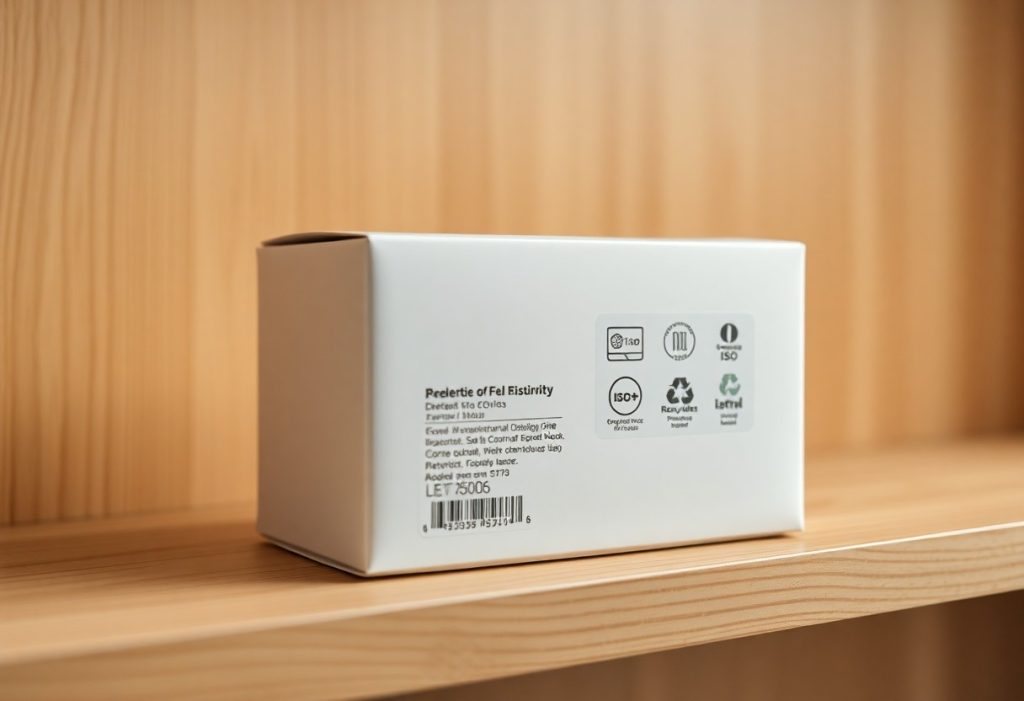
Just one glance at a product’s packaging can decide whether you trust it enough to buy. Your eyes register colors, fonts, and materials instantly, forming judgments about quality and honesty. Smart packaging speaks to you without words, using clarity, consistency, and authenticity to build confidence long before the first use.
Key Takeaways:
- Clear, honest labeling helps consumers quickly understand what’s inside the package, reducing uncertainty and building confidence in the brand before purchase.
- Consistent visual design-like color, typography, and logo placement-creates a recognizable identity that signals reliability and professionalism.
- Packaging that reflects the product’s quality and values, such as sustainability or simplicity, aligns with customer expectations and strengthens trust at first glance.
Thin-Slicing the First Impression
You form judgments about a product in seconds, often before reading a single word. Your brain scans colors, shapes, and materials like a silent detective, piecing together signals of quality and intent. This instant assessment-thin-slicing-means every packaging detail either confirms trust or raises doubt before the first purchase.
The Material Weight of Integrity
Texture speaks before content. When your fingers meet a rigid, matte-finish box instead of flimsy plastic, you sense care behind the product. Subtle choices-recycled fibers, embossed logos, secure seals-signal honesty. These tactile cues don’t just protect the item; they protect your perception of the brand.
The Typography of Competence
Typeface choices silently shape your confidence. Clean, well-spaced sans-serif fonts suggest precision and modernity, while inconsistent lettering or overly decorative styles can imply carelessness. You don’t read the font-you feel it. Legibility and proportion tell you whether the brand respects your time and intelligence.
Typography isn’t just about readability-it’s a behavioral cue. When you see consistent kerning, balanced line height, and purposeful hierarchy, your mind registers order and professionalism. Brands that align their type with their promise-clarity in healthcare, playfulness in snacks-reinforce authenticity. You trust what looks like it was designed with intention, not default settings.
The Architecture of Openness
Transparency in packaging isn’t just visual-it’s psychological. When you choose designs that reveal the product inside or tell its story honestly, you invite trust before the seal is broken. Learn how How Good Packaging Design Influences Buying Decisions by aligning perception with reality.
Visual Proof of the Interior
Seeing is believing, especially on the shelf. A window into the product reassures you that what’s promised is what’s inside. This direct glimpse reduces doubt, answering unspoken questions before they form and building confidence at first glance.
Narrative Sincerity in Print
Your brand’s voice on the package should sound like a honest conversation, not a sales pitch. Simple language, real ingredients, and clear origins signal respect for your intelligence-turning skepticism into connection with every word.
When a brand admits its limitations or shares its journey-like sourcing challenges or small-batch production-it feels more human. You’re more likely to trust a package that doesn’t overpromise but instead offers transparency with humility. This authenticity becomes a quiet promise of integrity.
The Haptic Contract
How a package feels in your hands shapes your first judgment before you read a single word. The weight, texture, and resistance of materials form an unspoken agreement between brand and consumer-one that signals quality, care, and honesty through touch alone.
Tactile Feedback as Truth
Texture tells a story your mind trusts instantly. A matte finish with subtle embossing doesn’t just stand out-it feels deliberate, signaling craftsmanship. When your fingers detect precision, you assume the product inside meets the same standard, building confidence without a claim being made.
The Comfort of Brand Continuity
Consistency in how your favorite products feel across purchases creates a quiet sense of safety. Recognizing the same flap fold, paper stock, or cap resistance reassures you that nothing has changed-what worked before still does.
Over time, this predictability becomes a silent promise. You reach for the same brand not just out of habit, but because the physical experience confirms reliability. That familiar lift of the lid, the snap of the seal-it’s not just packaging, it’s recognition. When every interaction mirrors the last, you stop questioning and start trusting. That’s when loyalty forms not from marketing, but from muscle memory.
The Moral Signal of the Wrapper
Your packaging speaks before your product does. Every material choice, color, and word sends a message about your values. Consumers read these cues instantly, forming judgments about integrity, care, and honesty. A wrapper isn’t just protection-it’s a promise.
Ecological Alignment
Choosing recyclable, compostable, or reusable materials shows you respect the planet as much as your customer does. When your packaging aligns with environmental values, it builds instant credibility. You’re not just selling a product-you’re affirming a shared responsibility.
The Grace of Easy Exit
Opening your package should never feel like a battle. A design that allows effortless access signals respect for the user’s time and experience. Thoughtful exits-tear strips, resealable openings, intuitive seams-communicate care in the smallest moments.
Designing for easy exit goes beyond convenience-it reflects empathy. When someone opens your product without frustration, they feel seen. That moment of smooth interaction becomes a quiet endorsement of your brand’s consideration and attention to detail, long before they’ve even used the product inside.
The Sensory Tipping Point
You don’t just see a product-you feel it before you even open it. The weight in your hand, the texture under your fingers, the way it sounds when you handle it-these sensations form an instant impression. That moment of physical contact often decides whether trust takes root or doubt creeps in.
The Sound of Sealed Safety
That crisp snap when you break a seal tells you the product is untouched. It’s not just functional-it’s a signal. You interpret that sound as proof of integrity, a small but powerful cue that what’s inside is as promised and safe to use.
Olfactory Anchors of Trust
The clean, faint scent of a newly opened package can reassure you before you see the contents. Smell is deeply tied to memory and safety, and a familiar, pleasant aroma signals authenticity and care in production.
When you pull a product from its packaging and catch a subtle, clean fragrance-like the sterile warmth of sterilized packaging or the faint vanilla hint in a cosmetic box-it triggers an unconscious nod of approval. Brands that thoughtfully incorporate scent aren’t just masking odors-they’re building a silent promise. That smell becomes a signature, one your brain begins to associate with reliability. Over time, you’ll reach for the one that “smells right,” not because you were told to, but because your senses already trust it.
To wrap up
So your packaging design is often the first real interaction a customer has with your brand. It communicates quality, intent, and reliability before a word is read or a product is tried. When done right, it earns trust silently, shaping perception and influencing choice at the shelf or online.
FAQ
Q: How does packaging design influence a customer’s decision before they’ve tried the product?
A: Packaging design acts as the first physical or visual interaction a consumer has with a product. Colors, typography, material quality, and layout signal what the brand stands for. A clean, consistent design with honest imagery and readable information helps people feel confident in the product’s quality. When packaging avoids exaggerated claims and flashy gimmicks, it communicates transparency. Shoppers are more likely to trust a product that looks straightforward and authentic, especially when they’re comparing options on a shelf or online.
Q: Can sustainable packaging improve consumer trust even before purchase?
A: Yes. When packaging uses recyclable materials, minimal ink, or clearly labeled eco-friendly symbols, it shows the brand considers its environmental impact. Consumers notice these details and often interpret them as signs of responsibility and long-term thinking. A simple brown paper wrap with a stamped logo or a glass jar with a reusable lid can suggest care and integrity. Trust grows when people believe a company isn’t hiding behind excessive plastic or misleading green claims. Real sustainability in packaging speaks louder than slogans.
Q: Why do some brands choose minimalist packaging to build trust?
A: Minimalist packaging strips away clutter to highlight what matters-product ingredients, origin, and brand values. Without flashy graphics or dense text, the design feels more honest and less manipulative. A brand that uses open space, neutral tones, and clear typefaces often appears more confident in its offering. People associate simplicity with authenticity, especially in categories like food, skincare, or household goods. When a package doesn’t try too hard, it can feel more trustworthy, like it has nothing to hide.