
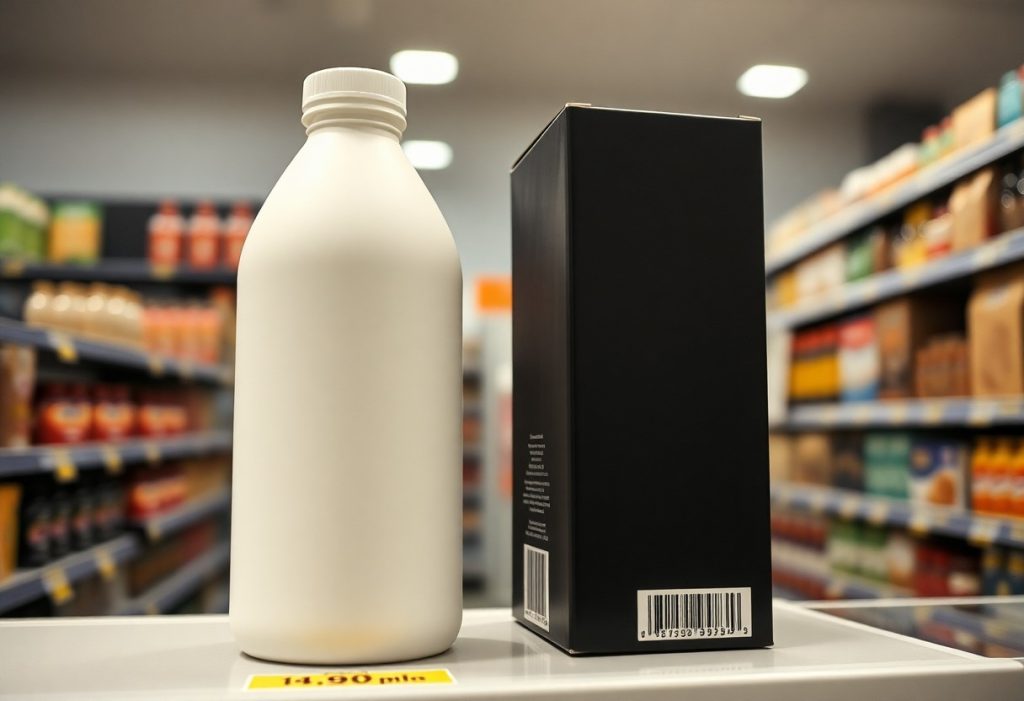
With so many choices on the shelf, your product often has just seconds to make a lasting impression. Your packaging speaks before the first use, shaping perception, driving decisions, and building trust. It protects, informs, and attracts-sometimes making the difference between a sale and a pass.
Key Takeaways:
- Packaging is often the first physical interaction a customer has with a brand, shaping their initial impression before they even experience the product.
- A well-designed package can communicate quality, values, and purpose, influencing purchasing decisions at the point of sale.
- In crowded markets, packaging differentiates a product from competitors, sometimes making the difference between being noticed or ignored.
- Packaging affects perceived value-premium materials or thoughtful design can justify higher price points, even if the product inside is similar to cheaper alternatives.
- Sustainable or reusable packaging can enhance brand loyalty, as consumers increasingly favor companies that align with their environmental and ethical standards.
The Blink Test
A split-second decision decides whether your product gets noticed or ignored. Before reading a single word, your brain judges the package-its shape, color, texture-like a reflex. You don’t realize it, but you’ve already made up your mind before picking it up.
Subconscious reactions to shape and color
Around you, invisible signals are sent by curves, angles, and hues. Rounded edges feel friendly; sharp lines suggest precision. Red triggers urgency, blue builds trust. These cues bypass logic, speaking directly to instinct. You react before thought, drawn in or pushed away without knowing why.
The speed of the aesthetic verdict
verdict arrives in under 50 milliseconds-faster than you can blink. Your brain processes visual appeal before recognizing the brand name. This instant judgment shapes desire, trust, and perceived value. You act on it before realizing a choice was even made.
Further research shows that aesthetic processing occurs in the orbitofrontal cortex, the same region tied to emotional reward. When a package looks appealing, your brain releases subtle signals of pleasure, mistaking visual harmony for product quality. You assume beauty means better performance, even with zero evidence.
Architecture of the Unboxing
There’s a deliberate design behind how your product emerges from its packaging. Every fold, layer, and resistance is calculated to build anticipation. The sequence transforms a simple opening into a moment of connection, shaping your first real impression of the brand before you even touch the item itself.
Choreographing the physical reveal
One smooth lift, a hidden tab, or a precisely timed snap guides your hands through the unboxing like a script. The motion isn’t accidental-it’s engineered to slow you down, focus your attention, and make the product feel like a reward earned through interaction.
Sensory triggers and brand loyalty
By engaging touch, sound, and even smell during unboxing, brands create emotional imprints. The crinkle of tissue, the click of a lid, the faint scent of ink or material-these details shape how you remember and relate to the product long after.
reveal how scent and texture influence perception: a matte box that resists fingerprints, the faint vanilla note in the adhesive, the weight of the lid closing-these aren’t afterthoughts. They signal quality, care, and intention, making you more likely to trust the brand again.
The Authority of the Vessel
Keep in mind: the container often holds more sway than the content. People judge what’s inside based on what’s outside. Your product may be exceptional, but if the packaging lacks polish, credibility suffers before a single use.
Packaging as a proxy for quality
Any well-designed package signals care, precision, and professionalism. When you see clean lines, thoughtful materials, and cohesive branding, you assume the product inside meets the same standard-even before experiencing it.
Establishing trust before the first use
An unopened product can still earn your confidence through packaging. The weight of the box, the finish of the label, the clarity of information-these details shape your first impression instantly.
quality begins the moment your eyes land on the shelf. The way a product is wrapped, sealed, and presented tells you whether it’s been made for people like you. You don’t need to open it to sense reliability-design choices silently confirm it.

Cognitive Ease and Shelf Presence
Your packaging shapes how quickly customers understand your product. Clear, intuitive design reduces mental effort, helping buyers decide faster. Why packaging matters to the customer experience lies in its ability to communicate value at a glance, turning hesitation into action.
Reducing friction in the decision process
Around 70% of purchase decisions happen at the shelf. Simple, well-organized packaging helps you process information instantly, cutting through clutter and confusion. When choices feel effortless, you’re more likely to buy without second-guessing.
The power of distinctive visual patterns
process familiar shapes, colors, and layouts faster than text. A unique visual identity makes your product stand out, even in crowded spaces. Recognition builds trust, and trust speeds up buying decisions.
Even subtle design choices-like a signature color block or consistent typography-train your brain to recognize a brand instantly. Over time, these patterns become mental shortcuts, making your product feel familiar and reliable, even among dozens of alternatives.
The Ethics of the Exterior
For many consumers, the package is the first moral statement a brand makes. How it looks, feels, and disposes informs ethical judgment before the product is even used. Sustainability, honesty, and responsibility are no longer hidden values-they’re wrapped in plain sight.
Green aesthetics and the conscious consumer
At first glance, earth tones and recycled paper suggest care for the planet. You notice the minimalist ink, the lack of plastic, and you assume integrity. But green aesthetics can mislead-what feels ethical may still exploit. Your trust is earned not by appearance, but by action behind the design.
Materiality as a reflection of corporate soul
consumer choices respond to what materials signal. A flimsy container suggests indifference; a durable, thoughtful wrap implies pride. You read texture, weight, and finish as proof of values. The outside isn’t just packaging-it’s the company’s character made tangible.
Hence, every fiber, coating, and closure tells a story you silently evaluate. When you hold a package, you’re not just touching cardboard or glass-you’re sensing intent. A brand that invests in honest materials shows respect not just for the product, but for you. That respect builds loyalty faster than any ad campaign.
Summing up
Conclusively, you underestimate packaging at your product’s expense. It shapes first impressions, influences purchasing decisions, and communicates value before a single feature is tested. When done right, your packaging doesn’t just hold a product-it becomes part of the experience, building trust, recognition, and loyalty in ways the product alone cannot always achieve.
FAQ
Q: How can packaging influence a customer’s decision more than the product itself?
A: People often make split-second judgments based on appearance, and packaging is the first thing they see. A well-designed package grabs attention on crowded shelves, communicates quality, and sets expectations before the product is even used. In many cases, consumers assume a sleek, clean, or innovative package means the product inside is equally thoughtful or high-performing. This perception can outweigh actual product features, especially when shoppers are unfamiliar with the brand or are making quick choices. Eye-catching colors, intuitive layout, and premium materials can create a sense of trust and desirability that the product alone might not achieve at first glance.
Q: Can poor packaging ruin a good product?
A: Yes, even an excellent product can fail if its packaging feels cheap, confusing, or unappealing. If a package is hard to open, lacks clear information, or looks outdated, customers may assume the product is low quality or out of date. A confusing label might make someone pass it over for a clearer alternative. In online shopping, damaged or unattractive packaging can lead to negative unboxing experiences, prompting bad reviews or reduced repeat purchases. People often judge the care a brand puts into its packaging as a reflection of how much care went into making the product. When that packaging feels like an afterthought, so does the product.
Q: Why do some brands invest more in packaging than in product improvements?
A: Some brands focus on packaging because it directly impacts shelf appeal, brand recognition, and emotional connection. A strong package can differentiate a product in a market where many items perform similarly. Changing the packaging is often faster and cheaper than reformulating or reengineering a product. A new look can renew interest, attract new customers, or reposition a brand without altering what’s inside. In some cases, a packaging redesign leads to a sales boost even when the product hasn’t changed at all. When consumers connect with the look, feel, or story of the package, they’re more likely to pick it up, try it, and remember it later.