
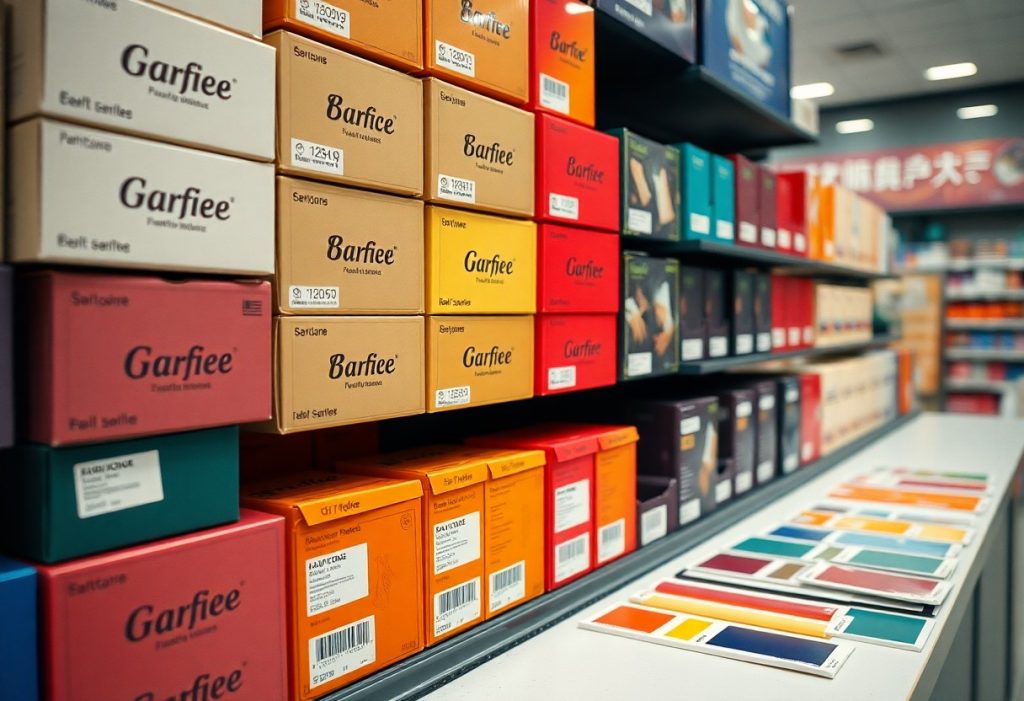
Overlooking the difference between packaging design and branding leads most companies to miss the mark. You rely on visuals to attract attention, but without a cohesive brand strategy, even the most striking package fails to build loyalty. Design supports branding-it doesn’t replace it. You need both aligned to stand out and stay memorable.
Key Takeaways:
- Packaging design is often mistaken as the main element of branding, but it’s only one visual expression of a much broader brand identity that includes voice, values, and customer experience.
- Many businesses focus on making packaging look attractive without aligning it to their brand story, leading to short-term appeal but weak long-term recognition.
- Strong branding guides packaging decisions, not the other way around-consistency in color, typography, and messaging builds trust over time.
- Consumers connect with brands emotionally; packaging that reflects authentic brand values creates deeper loyalty than flashy designs alone.
- Testing packaging in real-world contexts reveals how well it communicates the brand-some designs look great in isolation but fail on crowded shelves or digital thumbnails.
The Pretty Box Fallacy
The polished finish of your packaging can impress at first glance, but it won’t fix a weak brand. A beautiful box can’t compensate for unclear messaging, inconsistent values, or lack of customer connection. You might attract attention, but without substance, that attention won’t turn into loyalty.
Decorating a corpse
On its own, even the most striking design can’t revive a failing brand. You may update colors, fonts, and finishes, but if the core identity is undefined or misaligned, you’re simply applying makeup to something already dead. No amount of visual polish replaces authentic positioning.
The lure of aesthetic distraction
distraction lies in believing that standout design alone will drive sales. You focus on making your product look different, hoping it grabs eyes on the shelf or in a feed. But when aesthetics replace strategy, you’re trading long-term recognition for short-term novelty.
Also, consumers respond to consistency, not just creativity. When you prioritize visual flair over brand clarity, you risk confusing your audience. They may remember how your product looked, but not what it stands for. Strong branding builds trust through repetition and purpose-something no single beautiful design can deliver on its own.
The Invisible Architecture of Trust
One consistent design choice builds trust without saying a word. Your packaging isn’t just a container-it’s the first physical handshake with your customer. Every color, texture, and shape signals reliability, quality, and intent before a single ingredient is read.
Defining the brand promise
Below the surface of every successful brand lies a clear, unbroken promise. You tell customers exactly what to expect-through tone, consistency, and experience-and then deliver it every time, without exception.
Beyond the logo
Along the shelf, your logo is just the starting point. What truly shapes perception are the details: font choices, material finish, color psychology, and how every element works together to signal who you are.
promise lies in the consistency of these details across every touchpoint. When your matte finish matches your website’s tone and your product’s scent aligns with your typography, you create a silent, powerful coherence. That’s how customers feel they know you-without ever reading a tagline.
The Fatal Disconnect
For most businesses, packaging design operates in isolation from branding strategy, creating a costly gap in customer experience. You’re likely making this mistake if your visuals don’t reflect your brand’s core message. Common Packaging Mistakes That Cost Businesses include inconsistent colors, tone, and messaging that weaken recognition and trust.
When the wrapper lies
wrapper design that promises premium quality but delivers a generic product erodes your credibility. Customers feel misled when the unboxing experience doesn’t match the visual promise, leading to distrust and lost loyalty. You must align every visual element with the actual product experience.
Confusion at the point of sale
For shoppers scanning shelves in seconds, unclear packaging creates hesitation. If your design doesn’t instantly communicate what the product is or who it’s for, you lose the sale. Clarity, hierarchy, and brand consistency are non-negotiable at the moment of decision.
Indeed, cluttered layouts, vague imagery, or mismatched fonts make it hard for customers to identify your product among competitors. When your packaging fails to communicate quickly, you’re not just overlooked-you’re forgotten. Your design must work instantly, guiding the buyer’s eye to what matters most.
The Psychology of the Consumer
Despite your best efforts to stand out on the shelf, most consumers make purchasing decisions in seconds-driven not by logic, but by subconscious cues. Your packaging speaks before your brand ever does, shaping first impressions through shape, color, and tone. Understanding how people truly respond to visual stimuli gives you a direct line to their behavior.
Instinctive reactions to color
Above all, color bypasses rational thought and triggers immediate emotional responses. Red energizes, blue builds trust, yellow grabs attention-each hue carries subconscious meaning shaped by culture and context. You don’t choose colors for aesthetics alone; you use them to guide perception before a single word is read.
Emotional resonance vs. visual flash
visual impact may catch the eye, but emotional connection seals the deal. A flashy design might stand out, but if it doesn’t reflect the values or feelings your audience identifies with, it won’t be remembered. You win loyalty not through spectacle, but through authenticity.
Hence, the strongest packaging doesn’t shout-it speaks directly to the heart of your customer’s identity. It reflects their self-image, their desires, their values. A sleek finish or bold font matters only when it aligns with a deeper emotional truth. You build recognition not through novelty, but through consistent, human-centered messaging.
Building a Cohesive Identity
Your brand’s identity is more than a logo or color palette-it’s the sum of every interaction customers have with your business. When packaging design and branding work together, they create a clear, recognizable presence that builds trust and loyalty over time.
Strategy before sketches
Building a strong visual identity starts long before the first sketch. Define your audience, values, and message first. A clear strategy ensures every design choice supports your brand’s purpose, not just aesthetics.
Consistency across all touchpoints
Across your website, social media, packaging, and customer service, your brand should feel like the same entity. Uniform tone, typography, and visuals reinforce recognition and reliability in a crowded market.
Hence, when customers see your product on a shelf, receive an email, or visit your store, they should experience the same brand personality. This predictability strengthens memory recall and deepens trust, turning casual buyers into repeat customers.
Summing up
Conclusively, you treat packaging design as a standalone visual task, but it’s an extension of your brand’s voice. When you misalign the two, customers receive mixed messages. Strong branding informs every color, shape, and word on the package. You win when design and brand speak the same language-consistently, clearly, and authentically.
FAQ
Q: What’s the main difference between packaging design and branding?
A: Packaging design is about how a product looks on the shelf-its shape, color, typography, and materials. It’s a physical touchpoint meant to attract attention and communicate key information quickly. Branding goes deeper. It includes the company’s values, voice, customer experience, and emotional connection with the audience. A brand can exist without packaging, but packaging should always reflect the brand. Many businesses treat packaging as just a container, not realizing it’s an extension of their brand story.
Q: Why do companies often fail to align packaging with their brand?
A: Companies often focus on making packaging stand out visually without considering consistency in tone, messaging, or brand values. A luxury skincare brand might use sleek fonts and minimalist design, but if the packaging feels cheap or contradicts the brand’s promise of sustainability, customers notice. Misalignment happens when marketing teams, designers, and product developers work in silos. The result is packaging that looks good in isolation but doesn’t feel like part of a cohesive brand experience.
Q: Can great packaging fix a weak brand?
A: No. Strong packaging might grab attention once, but if the brand lacks clarity, consistency, or authenticity, customers won’t stay. Imagine a beverage with bold, trendy packaging but no clear message about what the brand stands for. People might buy it out of curiosity, but they won’t remember it or trust it long-term. Packaging can enhance a strong brand, but it can’t replace one. Businesses that invest in branding first-defining purpose, audience, and personality-create packaging that feels authentic and builds loyalty.