
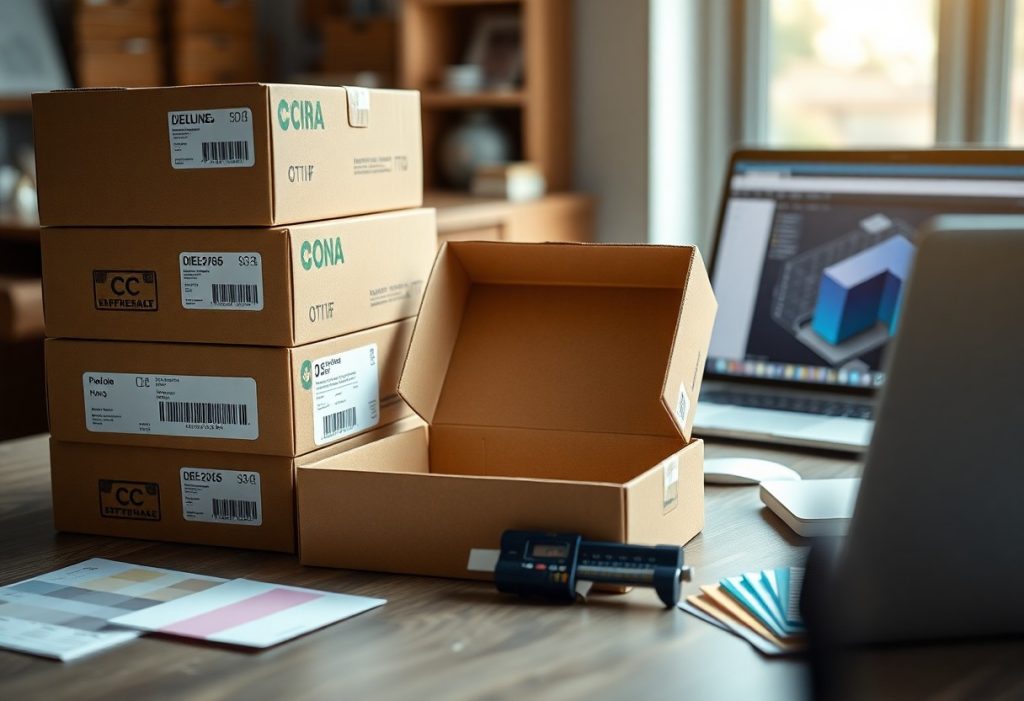
Most consumers make split-second decisions at the shelf, and your packaging is the first message they receive. You’re not just wrapping a product-you’re communicating value, function, and brand promise. Effective packaging protects, informs, and influences behavior, turning a simple container into a powerful tool for connection and trust.
Key Takeaways:
- Packaging design influences consumer behavior by communicating brand values and product benefits before a purchase is made, shaping first impressions at the point of sale.
- It plays a functional role in protection, usability, and sustainability, directly affecting product shelf life, transportation efficiency, and environmental impact.
- Effective packaging builds emotional connections through storytelling, color, and tactile elements, turning a simple container into a memorable brand experience.

The Silent Intelligence of the Outer Layer
Every contour, fold, and finish on your product’s packaging carries intent. It doesn’t just protect or contain-it communicates. You’re constantly sending signals about quality, care, and brand values through choices you may not even think about, yet consumers register them instantly.
Haptic Feedback and Value Perception
You feel a package before you fully see it. The texture of the material, the resistance of a lid, the weight in your hand-these sensations shape your perception of worth. A smooth matte finish or a rigid carton tells you the contents are premium, even before opening.
The Subconscious Authority of Material
You trust certain materials instinctively. Glass feels pure, metal suggests durability, and thick paperboard implies craftsmanship. These associations aren’t taught-they’re absorbed over time, guiding your judgment without conscious thought.
Material choice operates like a quiet ambassador for your brand. When you select recycled paper with visible fibers, you signal sustainability without a single word. The rigidity of a molded pulp tray conveys protection; the clarity of bioplastic speaks of modernity. You’re not just choosing packaging-you’re shaping belief through substance.
The Two-Second Rule of Visual Cues
Every time you scan a store shelf, your brain makes snap judgments in under two seconds. That’s why smart packaging uses color, shape, and contrast to stand out instantly. Learn more about how packaging design influences consumer behavior and shapes buying decisions before a product is even touched.
Rapid Decision Geometry on the Shelf
Shapes and spatial arrangement guide your eyes faster than text ever could. Triangles suggest energy, circles imply harmony, and vertical lines convey premium quality-all processed instantly. Your brain maps these forms before conscious thought, making geometry a silent salesperson in crowded retail spaces.
Minimizing Choice Friction
Clarity reduces hesitation. When icons, hierarchy, and messaging align, you absorb information instantly-no mental effort required. Packaging that removes guesswork wins in high-pressure shopping moments, turning uncertainty into confidence with a single glance.
Reducing choice friction isn’t just about simplicity-it’s about intuitive design. When your eyes land on a package, every element should answer an unspoken question: What is this? Who is it for? Why should I care? The fewer decisions you have to make, the more likely you are to pick it up. Smart packaging anticipates your needs, streamlining the path from sight to selection without a second thought.
Engineering Trust Through Durable Architecture
Your packaging’s strength speaks before a product is ever opened. A well-structured design signals reliability, showing customers you value their experience. Every reinforced edge and thoughtful seam builds confidence that what’s inside arrives exactly as intended.
Protective Architecture as a Promise
You make a silent pledge every time a package leaves your hands. Sturdy materials and intelligent cushioning tell the customer you stand behind your product. This physical assurance reduces anxiety about damage and reinforces brand integrity with every delivery.
Logistics and the Efficiency of Form
You save time and money when packaging fits seamlessly into shipping systems. Boxes that stack securely, weigh less, and maximize space reduce handling risks and transportation costs. Smart geometry isn’t just functional-it’s a competitive advantage.
Efficient form goes beyond minimizing material use-it shapes how your product moves from warehouse to doorstep. You benefit from fewer damages, lower fuel consumption, and faster processing when shapes align with pallets, containers, and automated sorting. Designing with logistics in mind turns packaging into a silent partner in distribution success.
The Social Mechanics of the Unboxing Ritual
You’ve felt it-the pause before opening a package, the anticipation in how layers unfold. Unboxing is no longer just about receiving a product; it’s a personal event shaped by design. The way a box opens, the order of contents, even the texture of paper inserts-all signal thoughtfulness. This moment becomes yours to experience, remember, and often, share.
Ritualistic Reveal and Emotional Impact
Design guides your hands and emotions in sequence. A magnetic closure clicks softly, a drawer slides out, tissue paper peels back to expose the item like a gift meant only for you. These small, deliberate interactions build emotional resonance. You don’t just use the product-you feel connected to it before it’s even in your hands.
The Mechanics of Digital Shareability
Your phone comes out almost instinctively. The packaging’s clean lines, bold color blocking, or clever structural details make it camera-ready. A well-designed unboxing moment is built with social media in mind-every element framed for visibility, contrast, and visual storytelling. You become part of the brand’s reach simply by sharing what feels authentic.
Brands now engineer packaging to thrive beyond the doorstep. Hidden messages under lids, QR codes that unlock content, or dual-purpose boxes that transform into displays encourage repeat engagement. When your post gains traction, it’s not luck-it’s design working silently, turning private moments into public endorsement. The package isn’t the end of the journey; it’s a catalyst for visibility.
Ecological Narratives as a Moral Signal
You communicate values every time you choose a package. The story a brand tells through its materials, imagery, and messaging signals responsibility or indifference. Consumers interpret earth tones, recycled symbols, and minimal ink not just as design choices but as ethical stances. These visual cues shape perception, aligning your purchase with personal principles.
The Ethics of Post-Consumer Waste
What happens after you discard a package reflects deeper accountability. Design that ignores disposal perpetuates environmental harm, while thoughtful construction reduces landfill burden. You expect brands to consider the full lifecycle, not just the moment of sale. Responsibility doesn’t end at purchase-it extends to what remains.
Sustainability as a Behavioral Signal
Your choice to buy a product with compostable wrapping sends a message. It shows you prioritize long-term impact over convenience. Brands notice these decisions and adjust practices accordingly. Sustainable packaging isn’t just eco-friendly-it’s a visible act of consumer values shaping market behavior.
When you consistently select products with minimal, recyclable, or reusable packaging, you reinforce a demand for change. This behavior pressures companies to reevaluate materials, supply chains, and distribution models. Sustainability in design becomes more than a label-it turns into measurable action driven by your preferences. Each purchase becomes a vote for the kind of world you support.
Conclusion
Your packaging design communicates value, function, and intent before a product is touched. It shapes perception, influences decisions, and builds trust through form, color, and material choices. You’re not just presenting an item-you’re delivering a message that reflects your brand’s integrity and purpose.
FAQ
Q: Why does packaging design influence consumer behavior beyond just looking good?
A: Packaging design shapes how quickly a shopper notices a product on a crowded shelf. Colors, shapes, and layout trigger emotional responses and signal what the product is or who it’s for. A clean, minimalist look might suggest premium quality, while bright, playful graphics often appeal to children. People make split-second judgments based on visual cues, so design acts as silent salesmanship. It communicates trust, freshness, or innovation before a single word is read.
Q: How does packaging contribute to brand recognition over time?
A: Consistent packaging builds familiarity. When a customer sees the same color scheme, logo placement, or bottle shape across purchases, it reinforces memory of the brand. Think of a red soda can with white cursive lettering-many recognize it instantly, even without seeing the name. This recognition reduces decision fatigue and increases loyalty. Over time, the packaging itself becomes a symbol of what the brand stands for, whether that’s reliability, sustainability, or fun.
Q: Can packaging design affect a product’s environmental impact?
A: Yes. The materials chosen-like recyclable paper, bioplastics, or aluminum-affect how the package ends up after use. Design decisions influence whether a package is easy to recycle, how much waste it creates, and how far it must travel. Lightweight designs reduce fuel use in shipping. Clear labeling about disposal helps consumers make better choices. Smart packaging can even extend shelf life, reducing food waste. Aesthetic appeal matters, but the environmental footprint starts with how it’s designed.