
Die Cut Packaging – Combining Creativity with Functionality
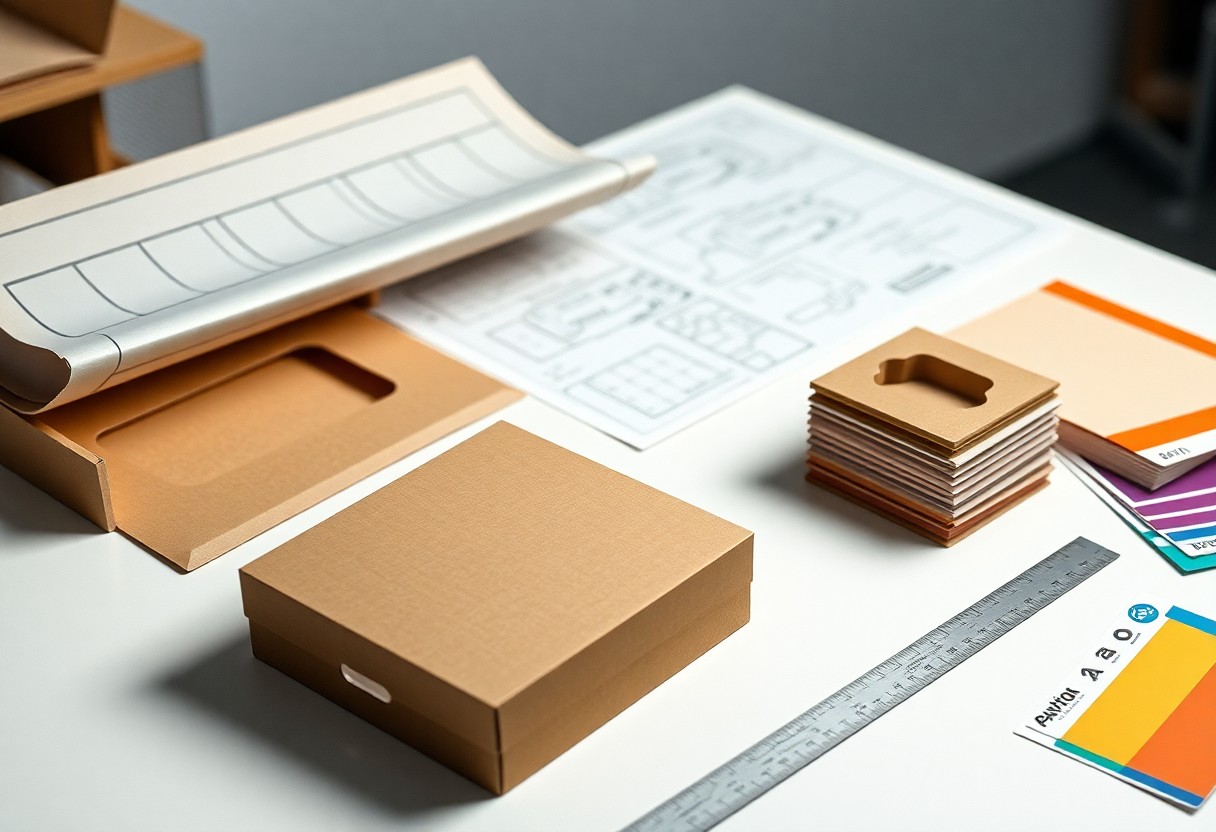
Creativity in packaging design transforms how you experience a product before it’s even opened. Die cut packaging merges precise craftsmanship with visual storytelling, shaping cardboard into forms that surprise and inform. You encounter it when a window reveals a product’s color, or a box unfolds like a puzzle, blending utility with aesthetic intent. Key Takeaways: A die cut package from a mid-sized SaaS firm shipping hardware kits reduced customer setup errors by streamlining component visibility, proving that structural design can directly influence user experience. Custom window cuts in bakery packaging increased impulse buys by allowing customers to view delicate pastries without opening the box, combining aesthetic appeal with product protection. Pharmaceutical blister packs use precision die cutting to ensure individual doses remain sealed and tamper-evident, demonstrating how functionality in packaging can support safety and compliance. The Blade and the Board Precision of the Cut Each die cut begins with a steel rule blade bent to your product’s exact outline. The blade is embedded into a wooden or composite board, forming a custom cutting die. When pressed into the packaging material, it slices cleanly through cardboard, corrugate, or paperboard with minimal deviation. A mid-sized SaaS firm shipping hardware kits uses this method to create perfectly aligned window openings for device displays. Defining the Silhouette Shape defines recognition. Your packaging’s outer edge is not just a boundary but a branding opportunity. Die cutting allows you to craft distinctive silhouettes-a perfume box shaped like a vintage flask, a children’s toy package resembling a cartoon speech bubble. These forms stand out on crowded shelves and in unboxing videos alike. Consider a boutique chocolate brand that replaced standard rectangular boxes with die cut hearts and stars for seasonal releases. The new shapes required no additional branding to be identified in retail environments, as the form itself became the identifier. Consumers associated the unique outline with premium quality and handcrafted care, reinforcing brand perception through shape alone. Function in the Form Structural Endurance Die cut packaging maintains integrity under pressure, protecting contents during transit. Corrugated board with precision cuts retains strength along load-bearing edges. A cosmetics brand shipping glass bottles uses custom interior cradles formed from a single die cut sheet, reducing breakage by aligning support exactly where needed. These engineered folds and tabs distribute weight evenly, preventing collapse in stacked displays. Practical Utility Efficiency emerges when form aligns with daily use. A tea company’s die cut box opens with a pull-tab that reveals individual sachets in labeled slots. Each compartment holds a specific flavor, guiding selection without confusion. Retail staff restock shelves faster because the package stands upright and fits standard rack dimensions. Consumers reuse the tea box for organizing desk supplies, its rigid walls and divided interior adapting to new roles. This extended lifecycle increases brand visibility in homes. The same structural design that protects during shipping becomes a functional container long after purchase, reinforcing value through repeated interaction. A mid-sized SaaS firm might not see this benefit, but physical product brands gain tangible returns from thoughtful construction. The Art of the Reveal Die cut packaging transforms the moment of unboxing into a carefully choreographed experience. The precision of each cut guides your hand and eye, revealing contents in a sequence that feels both intuitive and intentional. A well-designed window or fold draws attention exactly where it should go, turning a simple opening into a moment of discovery. Visual Windows Strategically placed cutouts offer a glimpse of the product without full exposure. A cosmetics brand might frame a lipstick shade through a heart-shaped aperture, letting color speak before the box is fully opened. These windows build anticipation while confirming quality, allowing you to see texture or finish before first use. Consumer Engagement Unboxing becomes an active experience when the packaging invites interaction. Pull tabs, sliding panels, or perforated flaps prompt you to participate in the reveal, increasing emotional connection. A tech accessory packaged this way turns a routine unwrap into a memorable introduction. One mid-sized SaaS firm distributing hardware keys adopted a puzzle-like die cut flap, requiring a short manual sequence to access the device. Users reported higher perceived value and were more likely to retain the packaging for future storage, extending brand presence in their homes. The Economics of the Press Minimizing Material Loss Die cut packaging reduces waste by optimizing layout efficiency on the substrate sheet. You achieve tighter nesting of shapes, allowing more units per board with minimal scrap. A mid-sized SaaS firm switching to custom die cuts reported a 15% drop in material use within three months. Precision cutting channels excess fiber to recycling streams, not landfills. Scalable Precision High-speed steel rule dies maintain accuracy across production runs of any size. You benefit from consistent edge quality whether producing 500 or 500,000 units. Automated registration systems align each cut within 0.005 inches, ensuring brand consistency on every package. Longer runs amortize the initial die cost, making per-unit pricing competitive with standard boxes. You retain design flexibility without sacrificing efficiency, as changeovers take under 20 minutes on modern flatbed presses. The Lasting Impression Every time a customer handles a die-cut package, they engage in a sensory experience that lingers far beyond the initial unboxing. The precision of the cut, the resistance of the material, and the way the shape fits in the hand all contribute to what designers call tactile memory. You’re not just delivering a product-you’re imprinting a physical sensation tied directly to your brand. Learn more about this evolving craft at Mastering Die-Cut Packaging 2026: Precision, Creativity & …. Tactile Memory Shape and texture work together to create a subconscious imprint of your brand. A uniquely contoured edge or a soft-touch finish on a die-cut window can trigger recall long after the product is used. You’ve likely remembered a package not by its color, but by how it felt when opened-proof that physical interaction strengthens emotional connection. Brand Identity Die-cut packaging transforms your brand’s visual language into a three-dimensional signature. The silhouette of a perfume bottle revealed through … Read more