
Why Website Content Is Just as Important as Website Design
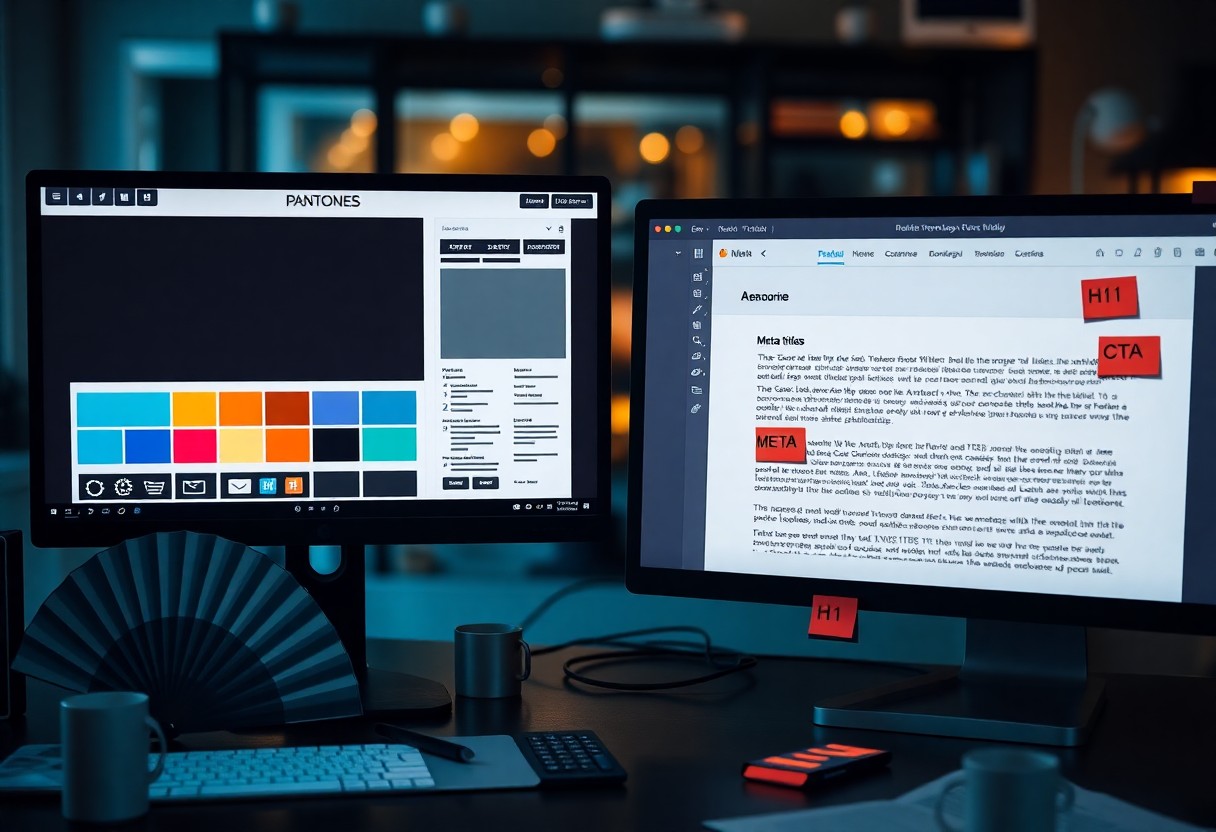
With every click you make online, you’re judged not just by how a site looks, but by what it says. A sleek layout may draw you in, but it’s the clarity, accuracy, and relevance of the content that determines whether you stay, trust, or convert. Design frames the experience, but content defines its purpose and reach. Key Takeaways: A well-designed website with weak content fails to convert visitors, as demonstrated by a travel booking platform that increased conversions by 30% after rewriting vague headlines into clear value propositions, proving that clarity in text directly impacts user action. Search engines prioritize content that answers specific queries, meaning a site with precise, well-structured copy can rank higher than a visually superior site with thin or generic text, as seen when a mid-sized SaaS firm outranked industry leaders by optimizing for long-tail keywords and user intent. Durable content builds lasting equity; a single in-depth guide on sustainable architecture maintained steady referral traffic for over three years, showing that quality writing continues to attract audiences long after publication, unlike design trends that fade within months. The Deception of the Golden Ratio Why Aesthetics Cannot Close the Deal A beautifully balanced layout may draw the eye, but it rarely convinces the mind to act. You’ve likely visited sites polished with perfect symmetry, yet left without converting because nothing answered your core question. Visual harmony suggests professionalism, but it doesn’t explain benefits, address concerns, or build trust in what’s being offered. A sleek interface might impress for seconds, but without clear, persuasive language, interest fades quickly. Consider a luxury watch brand using flawless proportions in its design, yet failing to describe craftsmanship or materials. The image looks expensive, but you can’t justify the price without context. A visitor needs reasoning, not just refinement. Even the most harmonious grid collapses under the weight of silence. The Salesman Behind the Screen Your website’s copy functions as the unseen sales representative who stays awake 24/7, answering questions and guiding decisions. Unlike a designer who sets the stage, the words actively engage, clarify, and persuade. They explain why a feature matters, how it solves a problem, or what makes your service different from the one down the street. This constant dialogue is what turns passive browsing into action. Imagine a potential client comparing two web development agencies with nearly identical portfolios. One site dazzles with layout, the other answers every unspoken concern: timelines, support, revision policies, real client outcomes. The second wins not because of pixels, but because its copy anticipates and resolves doubt. That’s the salesman working behind the screen-present, precise, and persuasive. The Literacy of the Search Engine How Algorithms Decode Your Message Search engines parse every sentence to assess relevance, context, and intent. Your word choice signals topic depth, helping algorithms determine where your page fits in a query hierarchy. Synonyms, sentence structure, and semantic cues are analyzed to map content against user needs. A well-structured paragraph with clear subject focus improves comprehension for automated systems scanning for authority. Google’s language models treat your copy as a data set of meaning, not just keywords. An article discussing “cloud storage for creative teams” will rank differently than one titled “best cloud drives” due to nuance in phrasing and audience specificity. Precision in language guides algorithms to categorize your site accurately within competitive clusters. Traffic Follows the Meaningful Word Pages built around clear, specific language attract more organic visits than those relying on design flair alone. A mid-sized SaaS firm saw a 40% increase in search traffic after rewriting vague headlines into direct value statements. Searchers respond to clarity, and engines reward content that answers questions with confidence and structure. Long-tail queries often lead to higher conversion because they reflect advanced user intent. A phrase like “how to migrate WordPress to a new host without downtime” draws targeted visitors ready to act. Your wording shapes not just visibility but the quality of attention you receive. Meaningful content gains traction because it aligns with real inquiries, not assumed interests. When your copy mirrors the exact phrasing of user searches, search engines register it as a reliable match. This alignment increases dwell time, reduces bounce rates, and strengthens domain authority over time. A nonprofit focused on financial literacy grew its organic reach by refining blog titles to reflect common questions asked in community workshops, proving that authenticity in language drives measurable results. The Authority of the Written Fact Chris Bradshaw’s Post on LinkedIn highlights how factual, well-structured content establishes credibility in ways design alone cannot (Chris Bradshaw’s Post). Search engines reward clarity and depth, but so do human readers evaluating your expertise. Winning the Prospect with Logic A prospect questioning your service’s effectiveness needs more than sleek visuals. They look for detailed explanations, case references, or technical specifics that only text can efficiently deliver. A well-placed paragraph outlining your methodology can overcome hesitation faster than any color scheme. Consider a mid-sized SaaS firm that reduced customer acquisition costs by refining product page copy. Clear feature comparisons and documented outcomes gave buyers the rationale to proceed, proving logic often seals the deal. Building a Reputation of Substance Consistent, accurate writing signals reliability over time. When your site hosts in-depth guides, cited industry standards, or transparent pricing details, it becomes a reference point, not just a brochure. Readers return to sources they trust, and they share them without hesitation. One B2B consultancy grew organic traffic by focusing on long-form technical content that addressed niche regulatory questions. Their site became synonymous with authority in their vertical, attracting high-intent clients through demonstrated knowledge. The Psychology of the Sale Words shape perception long before a price is seen. Your visitor arrives with a question, not a purchase intent, and it is language that bridges the gap between curiosity and commitment. A well-placed phrase can reframe a feature as a personal benefit, turning abstract specs into tangible relief. Emotional triggers respond to specificity. Instead of claiming a product is “reliable,” describe how it prevented a mid-sized … Read more