
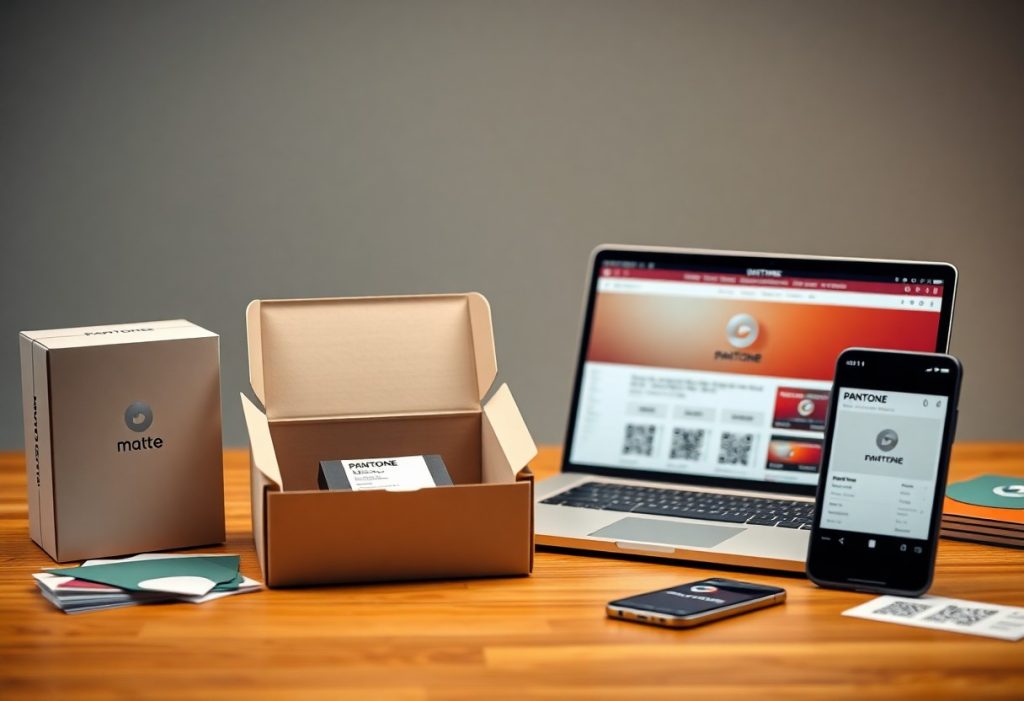

You shape customer perceptions every time they interact with your brand, whether through the package in their hands or your website on their screen. Aligning these touchpoints strengthens recognition, builds trust, and creates a consistent experience that reflects your brand’s identity clearly and confidently.
Key Takeaways:
- Consistent visual identity-like color schemes, typography, and logo placement-across packaging and website builds instant brand recognition and trust with customers.
- Matching tone and messaging in both physical and digital spaces creates a unified experience, making the brand feel more authentic and reliable.
- Using packaging as a gateway to the website through QR codes or custom URLs encourages deeper engagement and strengthens the connection between product and brand story.
The Sensory Handshake
You feel the weight of the box before you even open it-textured material, precise finish, a subtle brand scent rising as you lift the lid. That moment connects your product’s packaging to the clean lines and intuitive flow of your website. You’re not just delivering an item; you’re extending the same sensory experience from screen to hand, reinforcing trust with every touchpoint.

Visual Synchronicity
You build recognition when your packaging and website share a consistent visual language. Colors, typography, and imagery that align across both touchpoints create a unified experience. Customers instantly connect the product in hand with the digital journey they took. This harmony strengthens trust and makes your brand more memorable. You’re not just selling a product-you’re reinforcing an identity at every stage.
The Interactive Portal
You turn a product package into a gateway when you embrace connected packaging. By scanning a QR code or NFC tag, your customer steps into an interactive portal that deepens engagement. Connected packaging bridges gap between brands and consumers by delivering real-time content, usage tips, or exclusive offers-transforming a static label into a dynamic brand experience.
Narrative Continuity
Your brand’s story shouldn’t restart at the checkout page. When the same tone, visuals, and messaging flow from your packaging to your website, customers feel a sense of familiarity. You build trust by presenting a single, cohesive journey-every touchpoint reinforcing the last.
Behavioral Loops
You create repeat engagement when your packaging prompts an action that leads back to your website. A QR code on a product sleeve takes customers to exclusive content, encouraging them to return for more. Each interaction builds familiarity, reinforcing your brand’s presence in daily life. Consistency between the physical and digital touchpoints strengthens recognition and trust over time.
To wrap up
Your brand gains strength when packaging and website speak the same visual and emotional language. Consistent colors, fonts, and messaging build recognition and trust. You shape how customers perceive your product at every touchpoint, from shelf to screen, creating a unified experience that stands out and sticks.
FAQ
Q: How can consistent design between packaging and website improve brand recognition?
A: When packaging and website use the same color schemes, typography, logo placement, and tone of voice, customers begin to associate those elements directly with the brand. A person who picks up a product in-store and later visits the website will feel a sense of familiarity, even if they can’t explain why. This consistency reduces confusion and builds trust over time. For example, a skincare brand using soft pastels and minimalist layouts on both its product boxes and homepage creates a unified experience that reinforces its identity without needing explicit explanation.
Q: What role does storytelling play in connecting packaging and website branding?
A: Packaging often gives a quick impression, while the website can expand on that message with deeper context. A brand that shares its origin story on the website-like how ingredients are sourced or why the company was founded-can reference that same narrative on packaging through short phrases or icons. A coffee brand might print “Small Farm, Big Care” on its bag, then use the website to show photos and names of the farmers. This connection turns a simple purchase into a meaningful experience, making customers feel informed and emotionally engaged.
Q: Can mismatched packaging and website design hurt a brand’s credibility?
A: Yes. If a product’s packaging looks premium with matte finishes and elegant fonts, but the website appears outdated or cluttered, customers may question the brand’s attention to detail or professionalism. The disconnect suggests a lack of planning, which can erode trust. For instance, a luxury candle brand with sleek black jars but a bright, cartoonish website might confuse buyers about its target audience. Aligning both touchpoints ensures the brand communicates one clear message, whether someone is browsing online or holding the product in their hands.