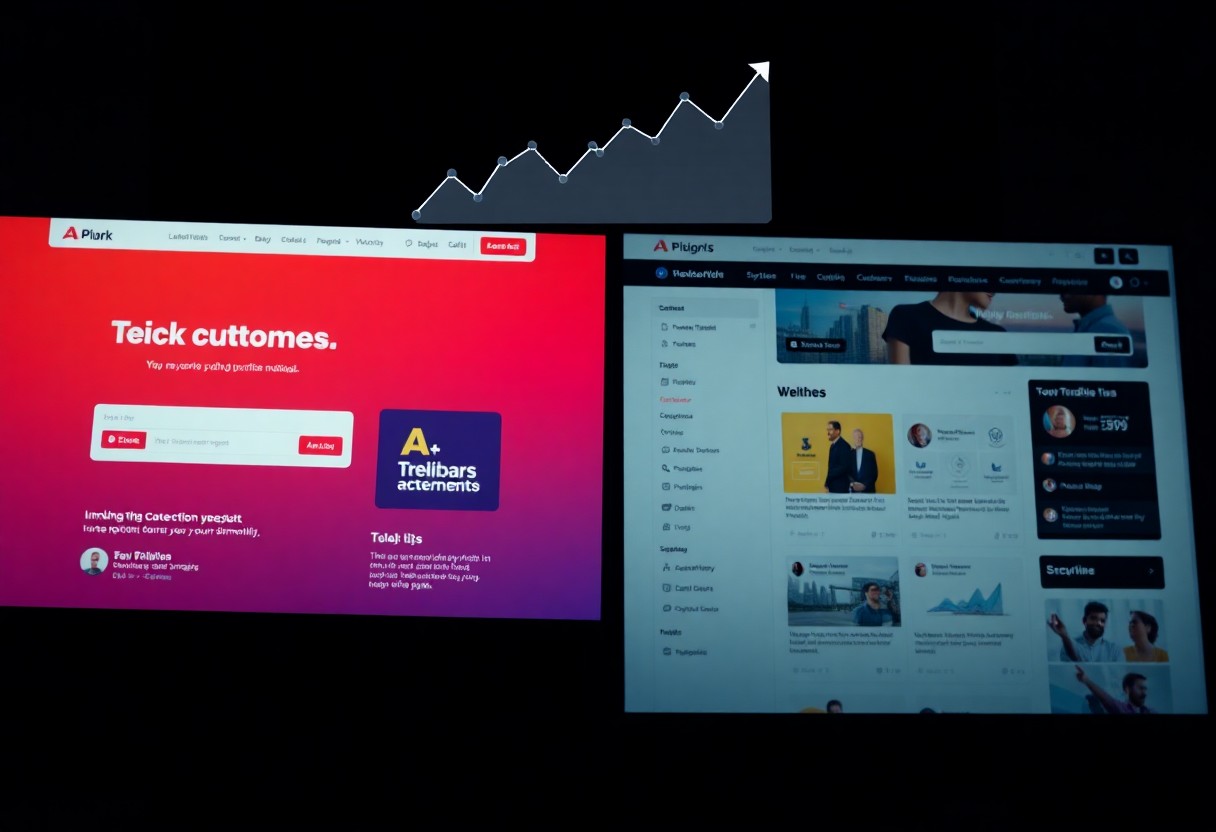

Many marketers struggle to design effective funnel pages that convert visitors into customers. This comprehensive guide will help you understand the necessary elements that make a funnel page successful, from attention-grabbing headlines to persuasive calls-to-action. You will learn how to structure your content, optimize for user experience, and implement techniques that drive conversions. Whether you’re a seasoned pro or just starting, this guide equips you with the insights needed to enhance your marketing campaigns and achieve your goals.
Key Takeaways:
- Focus on a compelling headline that captures attention and clearly conveys the value proposition.
- Utilize a clear and simple layout to enhance user experience, guiding visitors through to the call to action.
- Incorporate social proof and testimonials to build trust and increase conversion rates.
Understanding Funnel Pages
Funnel pages are critical components of your marketing strategy, designed to guide potential customers through a specific process from awareness to conversion. Each page serves a unique purpose, effectively moving leads through different stages of the buying journey. Recognizing how they function aids in optimizing your approach and improving overall results.
Types of Funnel Pages
Different types of funnel pages cater to specific stages in the customer journey. These include landing pages, squeeze pages, sales pages, and thank-you pages, each designed with distinct objectives to maximize conversions.
| Landing Pages | Convert visitors to leads through an offer. |
| Squeeze Pages | Capture email addresses by offering a freebie. |
| Sales Pages | Drive purchases with compelling product information. |
| Thank-You Pages | Confirm actions taken and encourage further engagement. |
| Confirmation Pages | Verify successful transactions or sign-ups. |
After you understand the types of funnel pages, you can better align them with your marketing objectives.
Key Factors for Success
Establishing successful funnel pages relies on several key factors, which include clarity, compelling content, strategic design, trust signals, and effective calls to action. Ensuring each element works cohesively enhances user experience and drives conversions.
- Maintain a clear message to avoid confusion.
- Use persuasive language to entice engagement.
- Design intuitively for seamless navigation.
- Incorporate trust signals like testimonials and certifications.
- Include strong calls to action to prompt user decisions.
After focusing on these key factors, you’ll notice an increase in conversion rates across your funnel pages. Each element you incorporate should reinforce your marketing message and support your overall strategy. Fine-tuning these attributes can lead to improved performance over time.
- Analyze your funnel page’s performance regularly.
- Conduct A/B testing to discover what resonates with your audience.
- Keep your content fresh to maintain engagement.
- Utilize analytics for informed decision-making.
- Adjust based on feedback and metrics to enhance effectiveness.
After implementing these strategies, you can refine your approach based on the results, ultimately driving more traffic and increasing conversions in your marketing campaigns.
Step-by-Step Guide to Creating a Funnel Page
| Step | Description |
|---|---|
| 1. Planning Your Funnel | Outline your objectives and target audience to ensure your funnel aligns with their needs and expectations. |
| 2. Designing Your Funnel Page | Focus on creating a visually appealing layout that guides visitors through your sales process. |
Planning Your Funnel
Begin by defining your marketing goals and understanding your audience’s pain points. This allows you to tailor your funnel to attract and convert potential customers effectively. Utilize tools such as surveys or analytics to gather insights that will inform the structure and messaging of your funnel.
Designing Your Funnel Page
A well-designed funnel page is important for keeping visitors engaged and encouraging conversions. Use a clean layout with a clear call-to-action (CTA) that directs users towards the next step in the process. Ensure that the design aligns with your brand while effectively communicating the value proposition.
Your funnel page should feature compelling visuals, concise copy, and strategic placement of CTAs to enhance user experience. Consider using contrasting colors to make your CTA stand out and employing testimonials or social proof to build trust. A/B testing different design elements can also provide insights on what resonates best with your audience, helping you optimize for better performance.
Tips for Optimizing Your Funnel Page
To maximize the effectiveness of your funnel page, consider these optimization tips:
- Use A/B testing to refine your headlines, images, and calls to action.
- Enhance page load speed to prevent user drop-off.
- Incorporate testimonials or trust badges for credibility.
- Ensure mobile responsiveness for accessibility across devices.
- Keep forms short and straightforward to improve completion rates.
Any adjustments you make can lead to noticeable improvements in conversions.
Content Best Practices
Your content should communicate value quickly and effectively. Use clear, compelling language and avoid jargon. Headlines must capture attention, while bullet points can break down complex information. Ensure each piece reinforces your funnel’s purpose, guiding users towards a single action. By showcasing benefits prominently, you enhance persuasive power, ultimately increasing the chances of user engagement and conversions.
User Experience Enhancements
Improving user experience on your funnel page directly impacts conversion rates. Simple navigation ensures users find the information they need without frustration, while clear calls to action should stand out visually. Utilize contrasting colors or larger buttons, and avoid clutter to maintain focus. Elements like chat support or interactive content can also elevate user engagement.
Incorporating user experience enhancements means identifying barriers that prevent visitors from completing the desired action. For instance, if lengthy forms deter potential leads, simplify them to capture crucial information while retaining user interest. Additionally, consider adding progress indicators on longer forms, as these inform users of their status, reducing anxiety and improving completion rates. Prioritizing user experience can dramatically transform visitor interactions into satisfied conversions.
Pros and Cons of Different Funnel Page Strategies
| Pros | Cons |
|---|---|
| High conversion rates with targeted audiences. | Requires extensive testing and optimization. |
| Clear direction and purpose for users. | Can limit user freedom, leading to frustration. |
| Effective use of persuasive elements enhances engagement. | May require substantial upfront investment. |
| Facilitates tracking user behavior and metrics. | Risk of alienating non-targeted demographics. |
| Can improve overall brand perception. | Overly aggressive tactics can damage trust. |
| Easy scalability once proven effective. | Maintaining consistent messaging can be challenging. |
| Allows for A/B testing to refine strategies. | May oversaturate your audience if overused. |
| Streamlined process boosts user decision-making. | Potential for high bounce rates if poorly designed. |
| Integration with CRM systems for customer insights. | Requires constant updates to stay relevant. |
| Can attract organic traffic through SEO efforts. | Dependence on paid advertising for quick results. |
Advantages of High-Converting Tactics
Utilizing high-converting tactics can significantly enhance your marketing effectiveness. You gain the ability to connect with specific audience segments, optimize user engagement, and ultimately drive conversions. For example, implementing clear calls to action, utilizing testimonials, and optimizing page load times can lead to improved user experiences, fostering trust and increasing the chances of users completing their desired action. Such tactics not only improve immediate results but can also create lasting relationships with your audience.
Potential Drawbacks and Challenges
While high-converting tactics are beneficial, they come with their own set of challenges. You may encounter issues like audience fatigue, where repetitive strategies lead to diminishing returns. A constant need for testing and adaptation can overwhelm resources, meaning that keeping your funnel page optimized requires ongoing commitment. Missteps in communication can result in alienation of potential customers, causing you to lose valuable leads if their needs aren’t adequately addressed.
Moreover, balancing aggressive marketing techniques with user-friendly experiences can be a delicate dance. Sometimes, the pressure to achieve immediate results can lead to shortcuts that inadvertently sap the effectiveness of the funnel. This impacts not just individual campaign performance but your overall brand reputation as well. To combat these challenges, regular audits of your funnel strategies and audience feedback can inform necessary adjustments, ensuring your approach remains fresh and engaging.
Measuring Success: Metrics to Track
To evaluate the effectiveness of your funnel page, it’s imperative to track specific metrics that reveal how well your marketing campaign is performing. Focus on conversion rates, bounce rates, and user engagement. By analyzing these metrics, you can gain insights into which elements resonate with your audience and identify areas for improvement, ensuring your funnel page continuously drives results.
Key Performance Indicators (KPIs)
Your funnel page’s success hinges on clear Key Performance Indicators (KPIs) that help you gauge effectiveness. Key metrics include conversion rate, the percentage of visitors completing desired actions, and average order value, which indicates how much each visitor spends. By monitoring these KPIs, you can adjust your strategies to maximize ROI and ensure consistent growth.
Analyzing User Behavior
Understanding user behavior provides key insights into how visitors interact with your funnel page. Utilizing tools like heatmaps and session recordings helps you visualize which sections are drawing attention and where users are dropping off. This behavioral data allows you to refine your content and layout, thereby enhancing the funnel experience for your audience.
Heatmaps can reveal which parts of your funnel page receive the most clicks and engagement, helping you prioritize content placement. For instance, if users frequently abandon the page after a specific call-to-action, revising the design or copy could improve retention. Analyzing session recordings can offer anecdotal insights into user frustrations and motivations, enabling you to create a more seamless experience that encourages conversions. Additionally, using A/B testing with changes based on user behavior can optimize performance significantly over time, leading to increased conversions and enhanced user satisfaction.
Common Mistakes to Avoid
Your funnel page’s success hinges on avoiding common pitfalls that can derail your marketing efforts. Failing to prioritize user experience, neglecting mobile optimization, or overlooking clear calls to action can significantly harm conversion rates. By identifying and correcting these missteps, you can enhance the efficacy of your funnel page and improve overall performance.
Missteps in Design
Design flaws can distract potential customers and impede conversions. If your funnel page looks cluttered or lacks a cohesive visual theme, users may become confused and leave. A clean, aesthetically pleasing layout with easy navigation is imperative to maintain engagement and guide your audience toward taking action.
Errors in Targeting
Targeting errors can lead to wasted resources and missed opportunities. If your funnel page doesn’t resonate with the audience you’re trying to reach, it’s unlikely to convert. Proper audience segmentation and understanding customer personas are vital. For instance, a funnel targeting millennials with retirement savings advice is misplaced; instead, tailor your messaging to fit their context, interests, and pain points. Ensuring alignment between your funnel content and audience expectations will enhance conversion rates and improve campaign efficiency.
Summing up
Summing up, developing an effective funnel page for your marketing campaign is vital for converting visitors into customers. By applying the strategies discussed, you can design a page that effectively guides your audience through the buying process. Focus on clarity, a compelling call to action, and user experience to maximize your results. To gain deeper insights, explore this How To Create A Marketing Funnel [Step-By-Step Guide] that will help refine your approach.
Q: What is a funnel page, and why is it important for a marketing campaign?
A: A funnel page is a dedicated landing page designed to guide potential customers through a series of steps, ultimately leading to a specific action, such as a purchase or sign-up. It is vital for marketing campaigns as it increases conversion rates by providing a focused environment that aligns with the campaign’s goals and messaging, minimizing distractions and facilitating a smoother user journey.
Q: What elements should be included in a winning funnel page?
A: A successful funnel page should incorporate several key elements: a compelling headline that captures attention, clear and concise copy that communicates the value proposition, persuasive visuals that enhance the message, a strong call-to-action that encourages user engagement, and social proof such as testimonials or reviews that build trust. Additionally, an optimized layout that maintains a logical flow is important for keeping visitors engaged.
Q: How can I optimize my funnel page for better conversions?
A: To optimize a funnel page, consider A/B testing different headlines and calls-to-action to determine which versions perform better. Improve loading speeds to enhance user experience, and ensure the design is mobile-friendly to accommodate various devices. Analyzing user behavior through heatmaps can provide insights into where visitors engage most. Updating content based on feedback or analytics can also help in refining the page to better meet audience needs.