
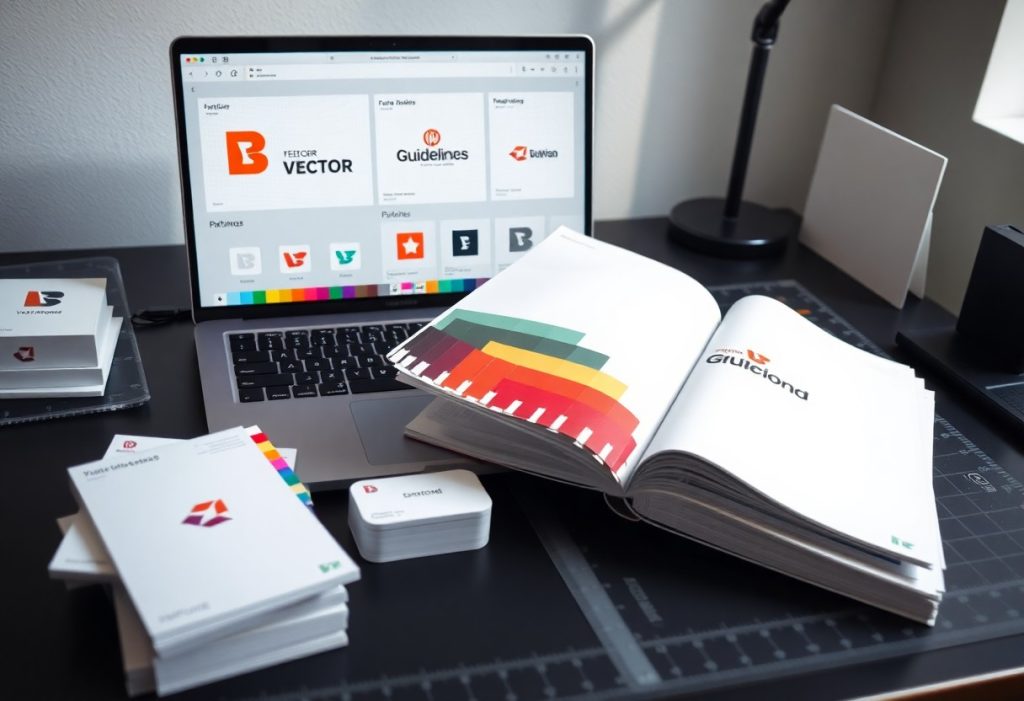
With every choice you make-from colors and fonts to tone and customer experience-you shape how your audience sees your business. A logo is just the beginning; true brand identity grows from consistent, intentional decisions that reflect your values and resonate with your audience.
Key Takeaways:
- A strong brand identity goes beyond a logo-it includes consistent colors, typography, tone of voice, and customer experience that reflect the company’s values and mission.
- Clarity and simplicity in design help customers recognize and remember a brand quickly, making visual consistency across all platforms crucial.
- Building trust takes time; a brand must deliver on its promises at every touchpoint to create lasting emotional connections with its audience.
The Face of the Thing
Every brand begins with a face-the first impression that lingers in memory. Your logo is more than a symbol; it’s the visual handshake between you and your audience.
People interpret shapes, colors, and spacing before they read a single word. That silent communication shapes perception, trust, and connection in seconds.
The Strength of Simplicity
Simplicity builds recognition. A clean, uncluttered logo allows your audience to absorb your message instantly, without confusion or delay.
You don’t need intricate details to stand out. Often, the most memorable marks rely on minimal elements arranged with intention and clarity.
Visual Anchors for the Mind
Icons and colors become mental shortcuts. When used consistently, they help people recall your brand without seeing your name.
Your audience processes visuals faster than text. A strong, repeated image forms a reliable anchor in their memory.
Consider how a specific shade of red or a simple shape triggers instant recognition. These cues work silently, embedding your presence into daily life. Over time, they reduce the effort needed to identify you, making your brand feel familiar-even when surrounded by noise.
The Spirit Beneath
Every strong brand carries something unseen but deeply felt-the spirit beneath the surface. You sense it in the choices you make, the promises you keep, and the consistency of your presence. This intangible essence shapes how people experience your business long after they’ve seen your logo.
It’s not just about aesthetics or messaging. It’s about what your brand stands for when no one is watching. Your audience connects with authenticity, not perfection. They respond to purpose, not slogans.
The Core Values
Your core values define the boundaries of your brand’s behavior. They guide decisions, shape culture, and inform customer interactions. When you stand by them consistently, trust begins to form naturally.
People don’t follow brands-they follow beliefs. Your values are the quiet force behind every action. Choose them with care, live them without compromise.
The True Voice
Your brand’s voice isn’t something you invent-it’s something you discover. It emerges from your values, mission, and the real way you communicate when you’re not trying to impress.
It shows up in tone, word choice, and rhythm. A true voice feels familiar, not forced. It speaks directly to the people who matter most to your business.
When you express yourself honestly, your audience hears clarity, not noise. They recognize sincerity when they see it. That’s what builds lasting connection-your voice, unfiltered, reflecting who you truly are.
The Tools of the Trade
Every strong brand identity begins with intentional choices in visual elements. You shape perception not through random design decisions but through consistent, thoughtful application of color, typography, and imagery. These tools work together to communicate your values before a single word is read.
Software and templates help bring ideas to life, but they don’t replace vision. Your brand’s look must reflect its personality, not follow generic trends. Select tools that support your message, not the other way around.
Honest Colors
Color carries emotion, and your palette should match your brand’s character. A healthcare brand might choose soft blues for calm, while a tech startup may use bold neon for energy. You signal trust, excitement, or reliability through hue, saturation, and contrast.
Limit your palette to three core colors to maintain clarity. Overuse dilutes impact. Each shade should have a purpose-primary, secondary, accent-and appear consistently across every customer touchpoint.
The Letters on the Page
Typography speaks before meaning is processed. The shape of your letters tells customers whether you’re formal, playful, modern, or timeless. You choose fonts that align with your brand’s tone, not just what looks trendy.
Pair a strong headline font with a clean, readable body type. Too many styles create noise. Consistency in size, spacing, and weight builds recognition across platforms.
Font choice is more than aesthetics-it affects readability and emotional response. A serif font may convey tradition and authority, while a sans-serif often feels clean and approachable. You control how your message is received by selecting type that supports your voice, ensuring it renders clearly on screens and in print. Misaligned or poorly scaled text undermines professionalism, no matter the content.
The Truth of the Name
Your name is the first promise you make to your audience. It carries weight, shaping perception before a single product is seen or service experienced. A strong name resonates with clarity, reflecting your purpose without confusion or exaggeration.
Real Feeling
Emotion anchors your name in memory. When your business name evokes a genuine response-comfort, curiosity, trust-it becomes more than a label. It becomes a signal of who you are and what you stand for.
The Long Promise
Time tests every name. The ones that endure do so because they were built to grow, not just to impress today. Your name should hold up across years, markets, and changes in direction.
Choosing a name with longevity means avoiding trends that fade. It means prioritizing meaning over cleverness, sustainability over speed. This is how brands become familiar, trusted, and timeless. Your name isn’t just an identifier-it’s a commitment to consistency, even as everything else evolves.
Conclusion
As a reminder, your logo is just the beginning. You shape brand identity through consistent messaging, visual elements, and customer experience. Every interaction reflects your business values and influences perception.
You build trust and recognition by aligning your actions with your brand promise. Over time, this consistency turns a simple logo into a powerful symbol of reliability and purpose in the minds of your audience.
FAQ
Q: Why is a logo not enough for building a strong brand identity?
A: A logo is just one visual element of a brand, like a face in a crowd. It helps with recognition, but it doesn’t communicate values, tone, or personality. A strong brand identity includes consistent colors, typography, voice, messaging, and customer experience across all touchpoints. People connect with stories and emotions, not just symbols. A business that only focuses on a logo might be recognized, but it won’t be remembered or trusted without a cohesive identity behind it.
Q: How do colors and fonts contribute to brand identity beyond the logo?
A: Colors and fonts shape how people feel when they interact with a brand. Blue might suggest trust, while red can signal energy or urgency. A sleek sans-serif font feels modern, while a serif font might suggest tradition or reliability. These choices repeat across websites, packaging, ads, and emails, creating a familiar experience. When used consistently, they help customers form a clear mental picture of what the brand stands for, even without seeing the logo.
Q: Can a small business benefit from a full brand identity, or is it only for big companies?
A: Small businesses need strong brand identities even more than large ones. With less visibility, standing out is vital. A clear identity helps customers understand what the business offers and why it’s different. It builds trust quickly, especially when starting out. A bakery using warm colors, friendly handwriting fonts, and a consistent message about homemade quality creates a stronger impression than one with random designs. Brand identity isn’t about budget-it’s about intention and consistency.