
Creative Custom Shape Packaging Ideas for Modern Brand
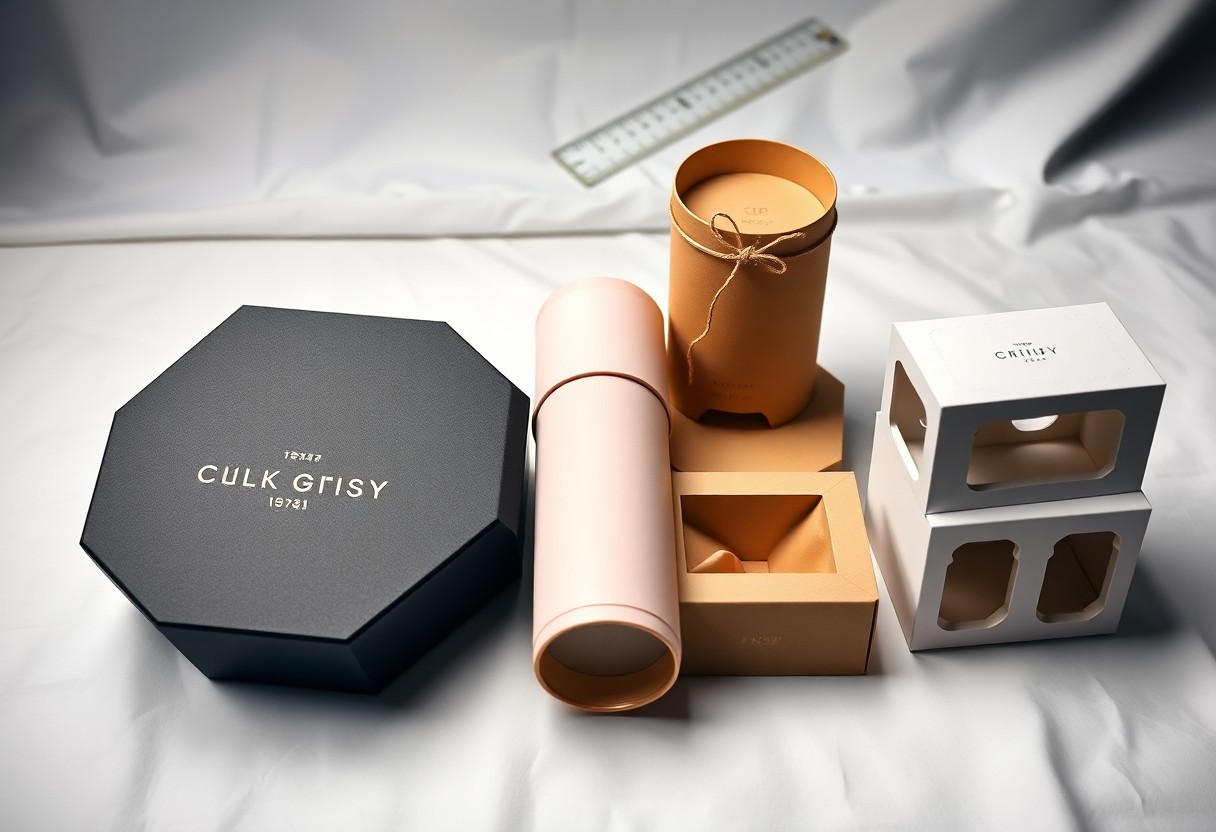
It’s impossible to ignore how a uniquely shaped package stops a consumer mid-scroll, mid-aisle, mid-decision. You’re not just protecting a product-you’re sculpting a first impression that speaks before a single word is read. In an era where shelf space competes with screen time, your packaging becomes a silent ambassador, and its shape, a strategic signal of identity, intent, and value. Key Takeaways: A cosmetics startup gained shelf visibility by packaging its lip balm in a miniature hexagonal prism that mirrored the molecular structure of its key ingredient, resulting in immediate product recognition at retail. Limited-edition tea blends from a specialty brand were housed in asymmetrical pyramid pouches that doubled as hanging ornaments, encouraging social media sharing and repeat purchases during holiday seasons. A plant-based snack company reduced material use by 18% while increasing perceived value through a folded trapezoidal box that unfolds into a serving tray, integrating function with distinctive form. The Tipping Point of Visual Recognition Disrupting the Shelf Monotony Shelf spaces are saturated with rectangular forms, creating a predictable rhythm that dulls consumer attention. A perfume brand once replaced its standard bottle box with a faceted, jewel-like structure that caught light from multiple angles, resulting in a 40% increase in dwell time during in-store trials. Your packaging can break this visual fatigue by introducing asymmetry or unexpected silhouettes that stand out without relying on color or graphics alone. The Cognitive Impact of Non-Linear Edges Curved and angular edges trigger distinct responses in visual processing. A study observing eye movement found that consumers spend 25% more time examining packages with irregular contours compared to those with straight edges. Your design can guide attention by placing key branding elements at the convergence of non-linear folds, where gaze naturally pauses. Neuroaesthetic research suggests the brain assigns higher value to objects perceived as unique or artful. When you replace conventional right angles with soft waves or zigzag seams, you engage pattern-seeking behavior, making the unboxing feel like discovery. A limited-edition tea line used undulating box lids mimicking mountain ranges, reinforcing its origin story through form. The Architecture of the First Impression Shape is your brand’s silent ambassador the moment a customer sees your package. A uniquely structured box can convey quality, intention, and identity before a single word is read. Explore 9 Creative Small Business Packaging Ideas + Examples to see how brands turn packaging into memorable touchpoints. Sculptural Geometry as a Brand Narrative Angular contours or fluid curves in packaging translate abstract brand values into tangible form. A skincare brand using softly faceted boxes evokes the precision of crystal formations, aligning with its mineral-based formula. Your product’s silhouette becomes a visual metaphor, reinforcing messaging through spatial language that resonates on a subconscious level. How Asymmetry Communicates Innovation Off-center flaps, uneven panel divisions, or tilted closures signal a departure from convention. An artisan coffee roaster might use a diagonally sealed sleeve to suggest movement, energy, and a break from tradition. This intentional imbalance captures attention by disrupting visual expectations in a crowded space. Asymmetry works because it mirrors the unpredictability of creativity itself. When your packaging avoids perfect symmetry, it implies a brand unafraid to challenge norms. A tech startup shipping devices in slanted compartments subtly positions itself as forward-thinking, using structure to imply progress without stating it outright. The Social Life of Structural Design Packaging as a Conversational Catalyst Unusual angles or asymmetrical flaps prompt questions when spotted on a desk or in a café. A cosmetics brand once used a hexagonal box that customers photographed from multiple angles, sharing it across platforms without prompting. Your packaging becomes a silent ambassador, initiating dialogue through form alone. Structural novelty disrupts visual fatigue, making it more likely to be singled out in a crowded feed. When a snack company introduced a triangular pouch that stood upright, it gained traction in unboxing videos, not for the product inside but for how it sat on camera. The Ritual of the Unique Unboxing Curved tear strips or magnetic closures transform opening a package into a moment worth slowing down for. A candle brand uses a nested lid system that requires three deliberate lifts, each revealing a subtle message, extending engagement before the product is even visible. These deliberate interactions build emotional resonance, turning transactional moments into memorable sequences. The delay between anticipation and access becomes part of the brand narrative. One skincare line employs a spiral-opening base that customers rotate like a dial, uncovering the jar only after several turns. This motion, repeated with each use, reinforces brand distinctiveness through tactile repetition rather than visual cues alone. The Physics of Consumer Desire Tactile Feedback and Ergonomic Curves Shape influences how a product feels in the hand, and that sensation registers before the mind processes the brand name. A contoured package that fits naturally in the palm suggests thoughtfulness, as seen in a mid-sized skincare brand that reshaped its jar to reduce finger fatigue during use. This subtle shift led to higher perceived value and repeat purchases. Materials respond differently to curvature, altering the sound of a cap twist or the resistance of a peel. Rounded edges on a rigid cardboard box, for instance, create a softer opening experience, reducing the perceived effort. You communicate care not through messaging, but through motion. The Aesthetic Superiority of Custom Molds Custom molds eliminate the visual noise of generic packaging, allowing your product to occupy space with intention. A candle brand using a hexagonal mold ensures its product stands out on crowded shelves, its faceted sides catching light differently than cylindrical competitors. The form becomes a silent ambassador. Each angle and recess in a custom mold is a deliberate design choice, not a manufacturing compromise. These shapes guide the eye, creating shadow lines and focal points that mass-produced containers lack. The result is an object that feels authored, not assembled. Consider a beverage startup that adopted a flask-inspired silhouette for its cold-pressed juice. The shape evoked apothecary vessels, aligning the product with purity and craftsmanship. Retailers reported customers picking … Read more