
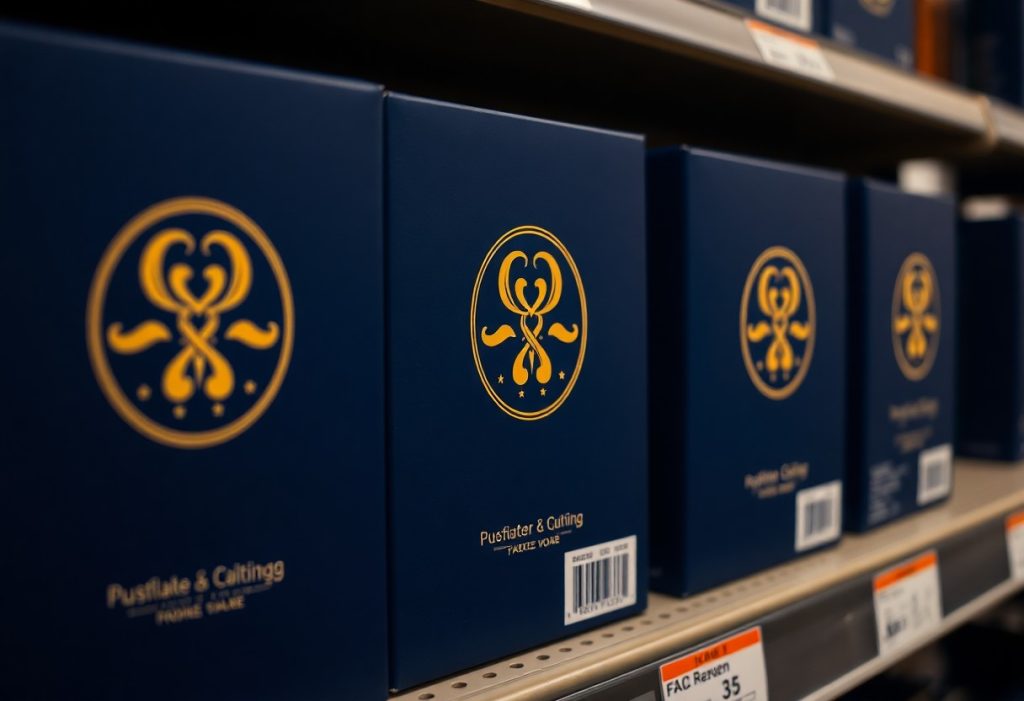
You shape how customers perceive your brand every time they see your product on the shelf. Packaging design communicates your values, differentiates your offering, and creates lasting impressions. A well-designed package doesn’t just protect-it speaks directly to your audience, builds recognition, and strengthens loyalty through consistent, intentional visuals and structure.
Key Takeaways:
- Consistent packaging design creates instant brand recognition, helping customers identify a product quickly on crowded shelves.
- Colors, fonts, and imagery on packaging communicate brand values and personality, shaping how consumers perceive quality and trust.
- Well-designed packaging tells a story, connecting emotionally with consumers and making the product more memorable.
- Functional and user-friendly packaging enhances the customer experience, reinforcing positive brand associations.
- Unique structural design or innovative materials can differentiate a brand from competitors and spark word-of-mouth interest.
The Visual Hook
A strong visual hook captures attention the moment your product meets the eye. Your packaging is often the first interaction a customer has with your brand, and its design sets the tone for perception, trust, and desire. A well-crafted visual identity makes your product stand out on crowded shelves and digital displays alike.
Chromatic Authority
After color enters the scene, it speaks before your brand name ever does. Your chosen palette conveys mood, intent, and personality-blue signals trust, red stirs urgency, green suggests nature. You shape customer emotions and expectations simply by controlling which hues represent your brand on every package.
Typographic Character
With typography, your brand finds its voice. The shape, weight, and style of your typeface tell customers whether you’re bold or refined, playful or precise. Every letterform you choose reinforces how your brand is perceived, making type more than text-it’s identity in motion.
Further, the way you set type on packaging affects readability and emotional impact. Tight kerning can feel modern and sleek, while generous spacing suggests luxury and clarity. Serif fonts may lend tradition and credibility, while clean sans-serifs project simplicity and innovation. You guide perception not just with words, but with how those words look at a glance.
The Tactile Salesman
Some of your strongest brand messages aren’t spoken or written-they’re felt. Your packaging is a silent ambassador that speaks through texture, weight, and form, shaping first impressions the moment a customer reaches for it.
Material Integrity
Integrity in material choice tells customers you stand behind your product. The thickness of a carton, the finish of a label, or the feel of recycled paper signals honesty and care, reinforcing trust before the product is even used.
Physical Sophistication
Along with appearance, how your packaging moves in the hand defines perception. Clean lines, precise folds, and balanced proportions suggest refinement, positioning your brand as thoughtful and deliberate in every detail.
Indeed, physical sophistication goes beyond aesthetics-it’s about how structure and function align to create a moment of quiet confidence. When your fingers meet a perfectly scored crease or a lid that fits just right, you sense craftsmanship, and that impression sticks with you long after purchase.
The Unboxing Performance
Now, every time you open a product, you’re not just revealing an item-you’re experiencing a carefully designed moment. Packaging shapes this ritual, turning a simple act into a memorable interaction that strengthens your connection to the brand.
Psychological Gratification
At the core of unboxing is emotion. The anticipation, the tactile feel, the visual reveal-these elements trigger satisfaction and delight. You feel recognized and valued, deepening your emotional bond with the brand in ways functionality alone never could.
Consumer Advocacy
Beside personal enjoyment, you’re more likely to share standout unboxing moments with others. A well-designed package becomes a story worth posting, sending, or recommending-turning your experience into organic promotion that reaches far beyond the initial purchase.
Gratification fuels sharing. When you enjoy the unboxing process, you don’t just keep it to yourself-you post it online, show friends, or tag the brand. This natural advocacy builds social proof, increases visibility, and invites others to join the experience, all without paid advertising.
Retail Combat
Keep your brand in the fight every time a customer walks into a store. Your packaging is your silent salesperson, standing shoulder-to-shoulder with competitors. The Role of Packaging in Enhancing Brand Identity shows how smart design wins attention before a single word is spoken.
Shelf Dominance
Beside dozens of similar products, your package must command attention. Bold colors, clear typography, and strategic branding placement ensure your product is seen first. You don’t just want space on the shelf-you want control of it.
Geometric Distinction
Around standard rectangular boxes and bottles, an unusual shape cuts through visual noise. Unique silhouettes catch the eye and stick in memory. When your package stands out by form, not just graphics, you gain instant recognition.
Plus, geometric distinction goes beyond novelty-it supports function and storytelling. A bottle shaped to fit the hand, a box that unfolds like a storybook, or a container that doubles as a display piece creates a tactile experience. You shape perception not just with visuals, but with physical presence.
The Silent Storyteller
Not every brand message needs words. Your packaging speaks before a customer reads a label, shaping first impressions through shape, color, and texture. It conveys quality, intent, and personality in seconds, silently guiding perception and building emotional connection long before the product is used.
Heritage Cues
For brands with a legacy, packaging becomes a canvas for tradition. You use classic typography, period-specific motifs, or vintage color palettes to signal authenticity and time-tested value, inviting customers into a story that began long before they arrived.
Narrative Symbols
About meaning, not decoration-symbols on your packaging carry weight. A single icon, pattern, or illustration can represent origin, craftsmanship, or values, allowing customers to grasp your story at a glance without reading a single word.
Consequently, the symbols you choose do more than decorate-they communicate. A mountain might represent endurance, a tree could signal sustainability, and a family crest may imply generational care. These visual elements form an immediate, intuitive language between you and your audience, embedding your brand’s essence into everyday moments. They turn packaging into a chapter of your brand’s ongoing story.
Omnichannel Cohesion
All brand experiences should feel like part of the same story, no matter where your customer encounters your product. Consistent packaging design across online, in-store, and social platforms strengthens recognition and trust, turning casual buyers into loyal advocates.
Digital Versatility
By designing packaging with digital environments in mind, you ensure your product stands out in online marketplaces and social media. High-contrast visuals, legible typography, and scalable graphics maintain impact on screens of all sizes.
Physical Continuity
With uniform materials, colors, and structural design across all physical touchpoints, your packaging delivers a predictable, professional impression on shelves and in hands.
Further, when customers recognize your product instantly in a supermarket, unboxing video, or friend’s home, that consistency builds confidence. Your packaging becomes a silent ambassador, reinforcing your brand’s identity through reliable, tangible details every time it’s seen or held.
Final Words
To wrap up, your packaging design is more than just a container-it’s a direct conversation with your customer. Every color, font, and shape communicates your brand’s personality and values. When done right, it builds recognition, trust, and loyalty, turning first-time buyers into lasting advocates. You shape perception every time someone sees your product on the shelf.
FAQ
Q: How does packaging design influence a customer’s first impression of a brand?
A: A customer often sees the packaging before experiencing the product itself, making it the first physical interaction with the brand. Colors, typography, shape, and material choices communicate personality-whether it’s playful, luxurious, or eco-conscious. A clean, well-thought-out design can signal quality and attention to detail, while a cluttered or generic look may suggest the opposite. This immediate visual message shapes perception before a single word is read or feature is tested.
Q: Can consistent packaging design strengthen brand recognition over time?
A: Yes. When a brand uses consistent colors, logos, fonts, and layout across all products and packaging formats, it becomes easier for customers to identify it on crowded shelves or online. Think of brands like Apple or Coca-Cola-their packaging is instantly recognizable because it follows a clear, repeatable design language. Over time, this consistency builds familiarity, which supports trust and loyalty. People begin to associate the look and feel of the package with the brand’s promise.
Q: How does packaging design help a brand stand out in a competitive market?
A: In a store or online feed filled with similar products, packaging acts as a silent salesperson. Unique shapes, bold visuals, or clever structural details can catch the eye and spark curiosity. A tea brand might use earthy textures and hand-drawn labels to emphasize natural ingredients, while an energy drink might go for high-contrast colors and dynamic graphics to convey intensity. When design reflects what the brand stands for, it doesn’t just attract attention-it attracts the right kind of customer.