Alev

From Shelf to Screen – Optimizing Packaging for Both Retail and E-Commerce

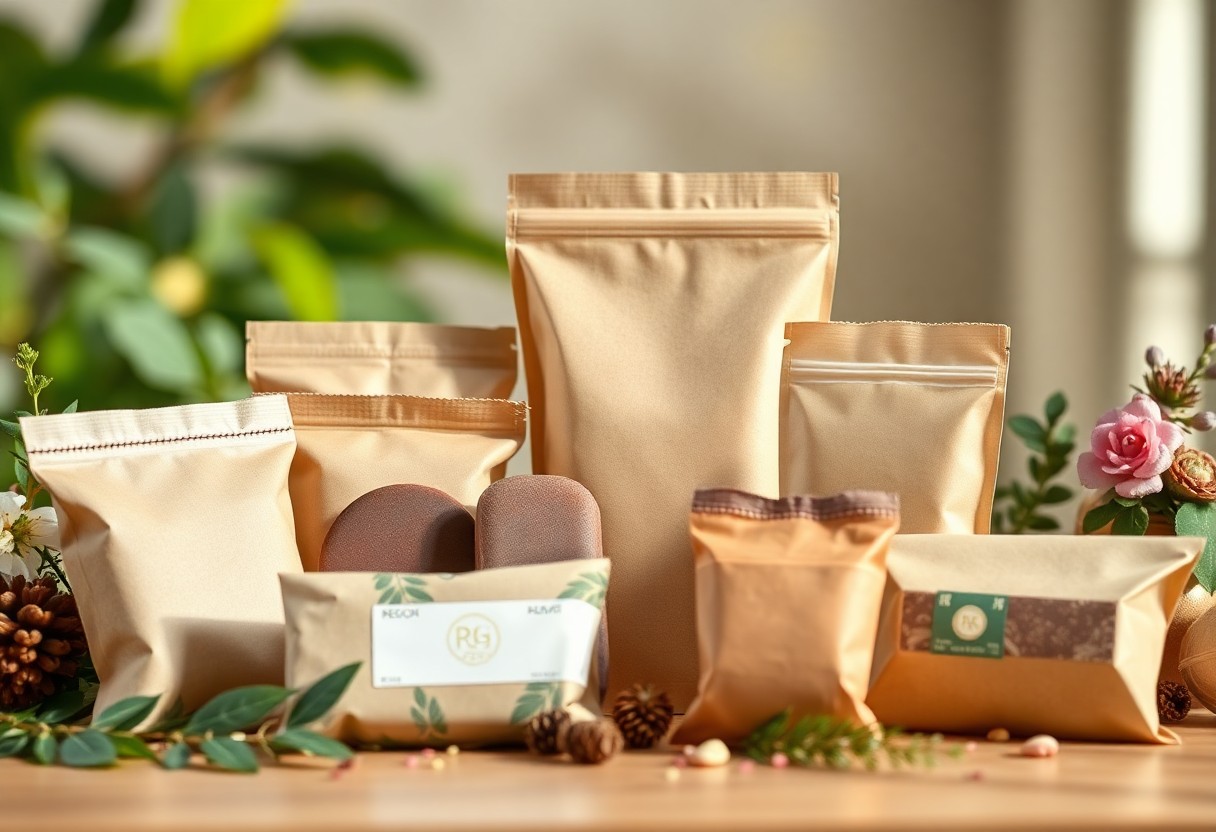
E-Commerce has revolutionized the way products reach consumers, making it crucial for you to adapt your packaging strategy accordingly. In this post, you’ll discover how to optimize your packaging to effectively appeal to both retail and online customers, ensuring your products stand out whether on a store shelf or displayed on a digital screen. We’ll explore key considerations for design, durability, and sustainability that enhance customer experience and drive sales in both channels. Let’s examine how to bridge the gap between physical and digital shopping experiences through smart packaging solutions. The Dual Demands of Retail and E-Commerce Packaging Balancing the requirements of retail and e-commerce packaging can be a complex endeavor. Retail packaging must grab attention on the shelf, standing out among competitors, while e-commerce packaging needs to ensure product security during transit. You face the challenge of creating a unified packaging strategy that meets the distinct needs of both channels, appealing to customers whether they’re shopping in-store or online. Packaging for Store Shelves: Captivating Design and Usability Your retail packaging should entice customers from afar, using bold colors, innovative shapes, and eye-catching graphics. This visual impact can significantly influence purchasing decisions. Additionally, usability plays a vital role; easy-to-open packages enhance the customer experience, encouraging repeat purchases. Integrating informative elements, like QR codes or clear product benefits, can further engage shoppers, bridging the gap between aesthetics and functionality. Optimizing for E-Commerce: Transport Security and Cost Efficiency Effective e-commerce packaging prioritizes product protection without compromising cost efficiency. Using materials like corrugated cardboard not only protects items during transport but also offers a lightweight solution that minimizes shipping costs. Consider incorporating right-sized packaging to cut excess space, reducing the chance of damage and saving on shipping fees. Sustainable options, like biodegradable materials, can also enhance your brand’s appeal in a market that increasingly values eco-friendliness. To optimize your e-commerce packaging, examine the transition from retail to online fulfillment closely. A study found that nearly 40% of online returns stem from improper packaging, highlighting the need for secure product containment. By adopting a design that snugly fits your product, you can enhance stability during transport, making items less susceptible to damage. Additionally, incorporating cushioning elements like air pillows or biodegradable peanuts not only protects your products but can also impress your customers with a thoughtful unboxing experience. Ultimately, striking the right balance between security, cost, and sustainability can give you a competitive edge in the e-commerce landscape. Crafting the Ultimate Unboxing Experience Creating an unforgettable unboxing experience can significantly enhance customer satisfaction and brand loyalty. Tailor your packaging to not only protect the product but also engage the senses. Consider the use of textures, colors, and even sounds that resonate with your brand identity. For example, a high-end skincare line may use soft-touch materials and soothing color palettes to evoke luxury, while a quirky tech gadget might embrace bold colors and intricate designs that reflect innovation. The goal is to create a moment of joy and surprise as customers unveil their purchases. The Emotional Impact of First Impressions First impressions form within seconds, and your packaging plays a pivotal role in this critical moment. Customers often engage emotionally with brands that reflect their values and aesthetics. A well-crafted unboxing experience not only excites the customer but also reinforces their decision to purchase your product. Incorporating personalized touches, such as handwritten notes or branded stickers, can elevate the emotional connection, turning what could be a mundane task into a memorable ritual. Sustainable Practices in Unboxing Embracing sustainable practices in your unboxing experience not only appeals to eco-conscious consumers but also strengthens your brand’s reputation. Using recyclable, biodegradable, or reusable packaging materials reduces environmental impact and resonates deeply with today’s consumers who prioritize sustainability. For instance, brands implementing minimalistic designs that eliminate excess waste while using responsibly-sourced materials find they can maintain style without compromising their ideals. Shifting towards eco-friendly packaging solutions can mean a considerable improvement in your brand image, especially as consumers become increasingly aware of environmental issues. According to a recent study, over 70% of consumers are willing to pay a premium for products that come in sustainable packaging. Utilizing materials like recycled cardboard, compostable void fill, or plant-based inks can reduce your carbon footprint while adding value to the unboxing experience. Not only does it align with consumers’ environmental values, but it can also stimulate interest and loyalty, as more shoppers advocate for brands that prioritize sustainability. Providing a transparent message about your sustainable efforts reinforces consumer trust and builds a community around shared values. Packaging Materials: Weighing Functionality Against Sustainability Your choice of packaging materials significantly impacts both product protection and environmental footprint. While durability is important to ensure your product survives transit, eco-friendliness is becoming an equally important selling point. Audiences are increasingly drawn to brands that prioritize sustainable practices. For insights into optimizing this balance for e-commerce, explore Digital Shelf Optimization: How to Win in E-Commerce. Choosing the Right Materials for Visual Appeal and Durability

What Makes a Packaging Design Go Viral?

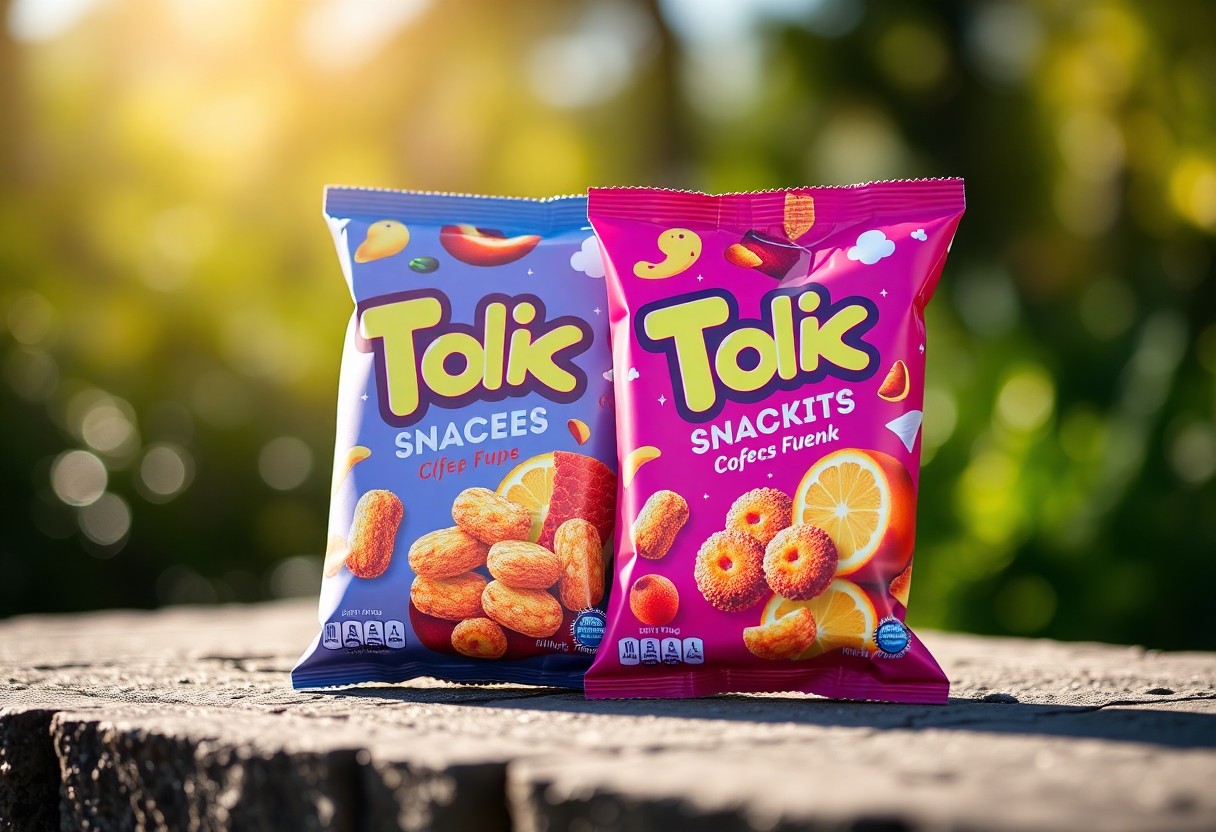
With the ever-evolving landscape of consumer preferences, understanding what makes a packaging design go viral is crucial for you as a brand owner or marketer. This blog post probes into the key elements that can elevate your packaging and capture the attention of your target audience. From innovative materials to eye-catching graphics, you will discover actionable insights to enhance your brand’s visibility and resonance in a competitive market. Let’s explore the unique qualities that can transform your packaging into a shareable sensation. The Psychology of Color Choices Color choices in packaging design are not arbitrary; they are driven by psychological factors that can significantly impact consumer behavior. The shades you select can influence perceptions of your brand, create associations, and dictate the emotional response elicited from your audience. Understanding the meanings attributed to various colors, as well as how different demographics react to them, can help your packaging resonate on a deeper level, amplifying its viral potential. The Emotional Impact of Colors Colors evoke emotions and can set the tone for how your product is perceived. For example, red often conveys excitement and urgency, while blue tends to evoke feelings of trust and calmness. Your choice of color can instantly communicate your brand values and messaging, creating a powerful emotional connection with consumers. This connection not only captures attention but can also encourage brand loyalty. Color Schemes That Attract Attention Utilizing bold and contrasting color schemes is a proven method to enhance visibility on the shelf. Bright colors like yellow and orange can create an uplifting atmosphere, attracting customers seeking an energizing experience. On the other hand, monochromatic palettes can evoke sophistication and elegance. For instance, Apple uses simple yet striking color contrast in its packaging, which allows its products to stand out as premium items in a crowded market. Combining complementary colors can further enhance attention-grabbing potential. For example, pairing a vibrant turquoise with a soft peach can create a dynamic visual effect that draws the eye. Seasonal colors also play a role; employing autumn hues in fall releases or pastel shades in spring promotions can resonate contextually and increase relevance. By carefully considering your color choices and combinations, you can craft packaging that not only attracts attention but also aligns perfectly with your brand identity and target market. Unforgettable Shapes: The Power of Packaging Form At the heart of effective packaging design is the shape that encapsulates your product. Unforgettable dimensions not only enhance shelf appeal but also create a memorable experience that resonates with consumers long after their purchase. Shapes that break away from the norm—like the uniquely curved bottle of Coca-Cola or the triangular packaging of Toblerone—become iconic representations of their brands. This innovation captures attention and invites curiosity, leading to increased interactions and engagement. The boldness of these designs often translates to brand loyalty, making the shape a crucial element in the viral potential of your packaging. Distinctive Shapes That Stand Out on Shelves Distinctive shapes can create immediate visual impact, helping your product stand out against competitors. A study showed that uniquely shaped packaging can increase visibility by up to 33%, making it more likely for shoppers to notice your product among hundreds of options. Brands like Pringles with their cylindrical can or the unique shape of the method hand soap bottle exemplify how form can drive interest and spur on-the-spot purchases, all while contributing to brand identity and recognition. How Shape Influences Consumer Behavior Your choice of packaging shape can significantly sway consumer preferences and decision-making. Research indicates that consumers are often drawn to products with unusual and innovative shapes due to the perception that they are of higher quality. For instance, the rounded edges of a bottle convey a sense of harmony and fluidity, inviting customers to reach out and grasp it. Moreover, people often associate certain shapes with specific meanings, such as roundness symbolizing warmth and approachability. By understanding these associations, you can craft packaging that not only catches the eye but also resonates emotionally with your audience. Each shape communicates a message beyond the physical product inside. Consider the influence of shape through the lens of perceived functionality and ease of use. A sleek, ergonomic design can lead consumers to feel that a product is more user-friendly, encouraging them to choose your item over others that may appear more cumbersome. Additionally, products with shapes that facilitate stacking or efficient storage appeal to practical consumers, thus enhancing their desirability. Emphasizing unique shapes can effectively position your brand as innovative and responsive to consumer needs, ultimately driving sales and fostering loyalty. Sustainability: The Green Factor in Viral Packaging Consumer awareness around sustainability continues to rise, making eco-friendly packaging a driving force behind viral marketing success. Brands that prioritize green practices not only appeal to environmentally conscious buyers but also create a sense of community among consumers advocating for positive change. This alignment with ethical values often translates to more shares and organic buzz, amplifying your message in ways traditional advertising can’t match. Eco-Friendly Materials as a Selling Point Utilizing sustainable materials like recycled plastics, biodegradable paper, or plant-based alternatives can set your packaging apart in a saturated market. Brands such as Coca-Cola and Unilever are pioneering these shifts, demonstrating that eco-friendly options not only resonate with consumers but can also reduce waste significantly. When you integrate plain language on your packaging that details these materials, consumers feel empowered and informed, increasing the likelihood of repeat purchases. The Importance of Transparency in Sustainability Claims Transparency builds trust and loyalty, especially in a marketplace rife with greenwashing. When you back your sustainability claims with certifications, sourcing details, and lifecycle assessments, consumers are more likely to believe in your brand’s integrity. Research indicates that 76% of consumers are more likely to trust a brand that is open about its sustainability efforts, making this a vital component of your packaging design. Establishing credibility through transparency goes beyond merely labeling your packaging as “eco-friendly.” Providing easy access to information about your supply chain, production processes, and … Read more

Unboxing Experience Matters – Why Smart Packaging Is Part of Your Brand

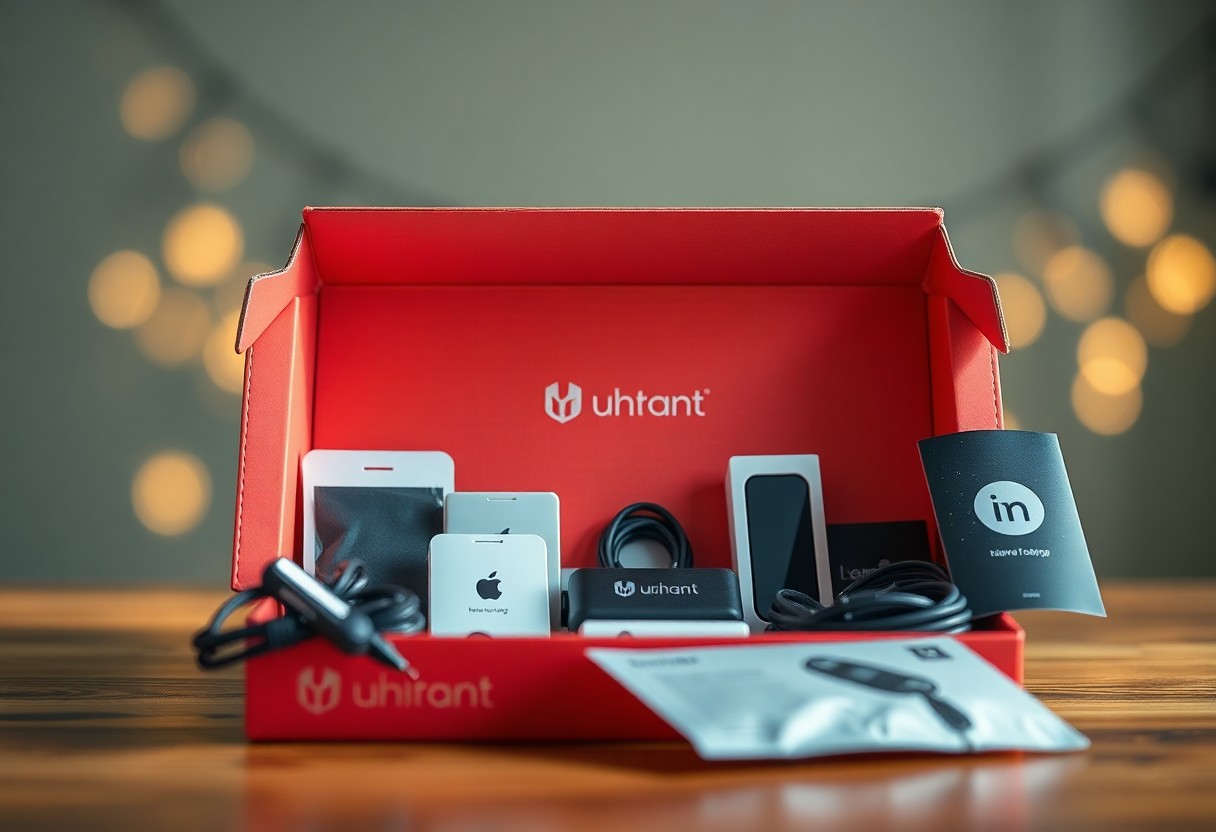
Just think about the last time you received a package that wowed you from the moment you opened it. The unboxing experience is significant in shaping customer satisfaction and brand loyalty, making smart packaging an vital aspect of your brand strategy. By investing in innovative and thoughtful packaging, you not only enhance the overall customer experience but also reinforce your brand identity. This post explores how a well-designed unboxing experience can elevate your products and foster stronger connections with your customers. Crafting a Memorable First Impression A well-executed unboxing experience goes beyond just functionality; it creates a memorable first impression that can influence customer perception and brand loyalty. Your packaging serves as the first point of physical interaction with your product, meaning it has the power to convey your brand’s identity and values instantly. Consider custom designs, thoughtful details, and an engaging unboxing process to elevate the excitement and satisfaction your customers feel, effectively making them more likely to share their experience online or recommend your brand to others. The Psychology of Anticipation Anticipation plays a pivotal role in the unboxing experience. As customers eagerly await their delivery, they build expectations based on your package design, branding, and even the shipping notifications they receive. This suspense creates a heightened emotional state that can enhance satisfaction levels upon receiving the product. Studies show that when buyers engage with compelling packaging, their anticipation translates to a more rewarding experience, reinforcing positive feelings about their purchase and increasing their likelihood to repeat business. Visual and Tactile Elements that Captivate Incorporating striking visual and tactile elements into your packaging can significantly enhance the unboxing experience. The colors, typography, and imagery used in your design set the mood while textures—like embossed logos or soft-touch finishes—invite touch and make the experience more interactive. Research indicates that sensory engagement plays a critical role in memory formation; thus, brands that offer a multisensory experience often find that customers are more likely to revisit and share their positive encounters. Using colors strategically can evoke specific emotions; for instance, vibrant colors often generate excitement, while muted tones may convey elegance. Additionally, consider incorporating elements such as holographic materials or unique shapes that prompt curiosity. Textured finishes can create a tactile pleasure that keeps customers engaged, encouraging them to appreciate the package beyond practical means. When customers feel they are receiving something special, the perceived value of your brand skyrockets, fostering loyalty and encouraging them to share their delightful experience through social media and word of mouth. The Intersection of Functionality and Aesthetics Smart packaging seamlessly combines functionality with visual appeal, creating an engaging unboxing experience that directly impacts your brand perception. By striking a balance between usability and eye-catching design, your packaging can create a memorable first impression that resonates with consumers. Thoughtful elements—such as easy-to-open seals and elegant finishes—enhance not only your product’s safety but also its attractiveness. To understand more about the impact of this synergy, explore The Unboxing Experience: Why it Matters for Your Brand. Practicality in Packaging Design Effective packaging serves a dual purpose: it protects your product while making it easy to access and use. Consider features like resealable pouches for food items or eco-friendly materials that align with consumer preferences. Packaging that facilitates storage or transportation enhances user experience, encouraging brand loyalty and repeat purchases. Thoughtfully designed packaging can make the difference between a delightful experience and a frustrating one. Enhancing Brand Identity through Smart Packaging Your packaging is an extension of your brand’s identity, influencing how customers perceive you and interact with your products. Custom colors, logos, and imagery can evoke specific emotions and set expectations for your brand’s values. A unique design not only captivates attention but fosters an emotional connection, making it more likely that consumers will remember and recommend you. By integrating consistent branding elements into your packaging, you reinforce your message and differentiate yourself in a crowded marketplace. Through smart packaging, your brand can tell a story that goes beyond the product itself. A carefully curated unboxing experience can evoke excitement and anticipation, helping your customer associate those feelings with your brand. For instance, luxury brands often use high-quality materials and intricate designs that reflect their commitment to quality, enhancing the perceived value of their products. The emotional response created during unboxing can lead to increased engagement on social media and positive word-of-mouth, significantly amplifying your brand presence and reputation. Unpacking the Emotional Connection Creating a strong emotional connection during the unboxing experience can significantly enhance customer loyalty. When you engage your customers on an emotional level, it encourages them to share their experiences, reinforcing their attachment to your brand. This emotional resonance transforms a simple transaction into a memorable occasion, fostering long-term relationships with your audience. Storytelling Through Packaging Design Your packaging can serve as a powerful storytelling medium that reflects your brand’s values and mission. By incorporating unique design elements, colors, and materials, you create a visual narrative that resonates with your target audience. Think of the way Apple uses minimalist design to convey innovation and elegance—this level of thoughtfulness invites customers to become part of your brand story. The Role of Personalization in Customer Experience Personalization in packaging enhances the customer’s sense of connection to your brand by acknowledging their individuality. By incorporating personalized elements, such as handwritten notes or custom designs based on purchase history, you create a tailored experience that speaks directly to your customers. A recent study found that 80% of consumers are more likely to make a purchase when brands offer personalized experiences, highlighting the importance of connecting on a personal level. Personalization doesn’t need to be overly complex; small touches can have a significant impact. For instance, including a thank-you note with a customer’s name or offering customizable packaging options can elevate the entire experience. Brands like Nike, which allow customers to design their own shoes, exemplify this approach by not just selling a product but also providing an experience that reflects the buyer’s personal style. Simple yet effective personalization … Read more

Packaging Trends 2025 – What’s Shaping the Future of Brand Design

Many emerging packaging trends are set to redefine how you approach brand design in the coming years. As sustainability, technology, and consumer preferences evolve, it’s necessary to stay ahead of the curve. This blog post will explore key developments that will influence your packaging strategies for 2025 and beyond, helping you create designs that resonate with your audience while standing out on the shelves. Embrace these trends to enhance your brand’s identity and ensure its relevance in a rapidly changing market. The Sustainability Imperative: Eco-Friendly Packaging Revolution Your brand’s packaging strategy significantly contributes to a more sustainable future, as consumers increasingly demand eco-friendly options. The shift towards sustainable practices includes embracing materials that minimize environmental impact, aligning with the growing consumer awareness of ecological issues. Companies proactively responding to these demands see not only an enhancement in reputation but also a potential boost in sales as sustainability becomes a key purchasing factor. Biodegradable Materials and Their Impact Biodegradable materials are transforming the packaging landscape, offering solutions that naturally decompose and reduce waste. By incorporating materials such as plant-based plastics or recycled paper, brands can significantly lessen their carbon footprint. Notably, according to a recent study, biodegradable packaging can cut down landfill waste by up to 30%, providing a tangible benefit to your brand while appealing to environmentally conscious consumers. Consumer Demand for Sustainable Practices Your customers are increasingly prioritizing brands that demonstrate a commitment to sustainability, making eco-friendly packaging a necessity rather than an option. A recent survey revealed that 72% of consumers prefer products with sustainable packaging, and nearly 50% are willing to pay more for such items. This growing demand reflects a shift in values, where consumers actively seek out brands that align with their environmental beliefs. Companies adopting sustainable practices not only resonate with their audience but also foster loyalty, positioning themselves as leaders in the market. Intelligent Design: The Role of Smart Packaging in Brand Engagement Smart packaging is revolutionizing how brands engage with consumers, allowing for an immersive experience that extends beyond the product itself. By integrating technology directly into packaging, you can leverage interactive features that capture attention and foster loyalty. This innovative approach enhances brand storytelling, making packaging not just a vessel for products but a medium for connection that resonates with your audience. Connectivity and Consumer Experience With the rise of smart packaging, connectivity becomes a fundamental aspect of consumer experience. You can create a seamless interface between your product and consumers through technologies like NFC and RFID. This connectivity allows for real-time feedback, personalized content delivery, and enhanced customer service, ultimately enriching the way consumers interact with your brand post-purchase. Innovations in QR Codes and Augmented Reality QR codes and augmented reality are increasingly important tools in smart packaging. These technologies offer you a gateway to engage consumers in unique ways, making the packaging itself an interactive experience. With just a scan, customers gain access to exclusive content, tutorials, or promotions, creating a memorable encounter that can significantly influence their brand perception. Innovations in QR codes are pushing boundaries further, with dynamic codes that can change content over time, adapting to different campaigns or product launches. Augmented reality enhances the experience by overlaying digital elements onto the physical world, allowing consumers to visualize product benefits or immerse themselves in interactive storytelling. Brands like Pepsi and Coca-Cola have experimented with AR elements, offering engaging games and experiences that not only entertain but also educate consumers about their products. As you integrate these technologies, ensure your content is visually appealing and relevant, making every interaction impactful and delightfully memorable. Aesthetic Evolution: The New Era of Visual Storytelling A brand’s visual identity is no longer limited to logos and color palettes; it’s evolving into a comprehensive storytelling tool. The aesthetic appeal of packaging is becoming paramount as consumers gravitate towards brands that offer an experience rather than just a product. Your design choices now play a pivotal role in conveying your brand’s narrative, establishing emotional connections, and differentiating yourself in a saturated market. This shift towards visual storytelling is reshaping how consumers perceive and interact with your brand, making it vital to stay ahead of aesthetic trends. Minimalism vs. Maximalism in Brand Presentation The debate between minimalism and maximalism continues to influence brand presentation decisions. Minimalistic designs favor clean lines, ample white space, and a focus on vital details, often resulting in elegance and sophistication. Conversely, maximalist approaches employ vibrant colors, intricate patterns, and bold typography, offering a sense of exuberance and creativity. Choosing between these styles necessitates understanding your target audience and what resonates best with them, as both can convey distinct brand messages. Unique Textures and Finishes that Capture Attention Integrating unique textures and finishes into your packaging can significantly elevate its appeal and engagement. Textured surfaces like soft-touch coatings or embossed elements invite customers to interact physically, providing an additional layer of sensory experience. Research indicates that tactile experiences can heighten brand perception and influence purchase decisions, making it imperative to explore innovative materials and finishes that stand out on the shelf. For example, using a matte finish can create an air of sophistication, while metallic accents can add a touch of luxury. Brands like Absolut Vodka leverage these design elements by incorporating frosted glass that not only looks premium but also feels unique in hand. Recent studies show that products with sensory-enhanced packaging experience a 20% higher recall rate among consumers. By investing in unique textures and finishes, your brand can create memorable, tactile experiences that resonate long after purchase, setting you apart in a competitive landscape. The Global Market Shift: Cultural Influences on Packaging Design Shifts in global markets significantly impact packaging design, dictated by various cultural influences that shape consumer behavior. Brands are now more aware of the importance of localization, taking cultural nuances into account to create designs that resonate with specific regions. Understanding these cultural dimensions is vital for building authentic connections with customers. For insights into emerging trends, check out the 2025 Packaging Trends. … Read more

10 Essential Steps To Optimize Your E-Commerce Website Landing Page For SEO Success

SEO is fundamental to the success of your e-commerce website landing page. It not only helps you to enhance visibility but also drives targeted traffic that can lead to increased sales. Here are ten crucial steps that you can take to optimize your landing page for SEO success. 1. Conduct Keyword Research: Start with thorough keyword research to identify the terms that your target audience is using. Tools like Google Keyword Planner or SEMrush can help you find relevant keywords with high search volumes. Aim to include both short-tail and long-tail keywords in your content. 2. Optimize Your Page Title: The page title is one of the first things both users and search engines notice. Ensure your title includes your primary keyword and is enticing enough to encourage clicks. Keep it under 60 characters for optimal display in search results. 3. Craft Engaging Meta Descriptions: A meta description summarizes your content and can influence users’ decisions to click through to your site. Write a compelling meta description that includes your primary keyword and entices users to visit your landing page, keeping it within 160 characters. 4. Use Header Tags Wisely: Header tags (H1, H2, H3) help organize your content and improve readability. Make sure to use H1 for your main title and H2 or H3 for subheadings, incorporating relevant keywords where appropriate. 5. Optimize Images: Visual content is integral to e-commerce. To optimize images, use relevant file names and alt text descriptions that include your target keywords. This not only improves SEO but also enhances accessibility for users. 6. Produce High-Quality Content: Create valuable and informative content that addresses the needs of your audience. Whether it’s product descriptions or blog articles, ensure that your content is original, engaging, and relevant to your keywords. 7. Improve Page Load Speed: A slow-loading landing page can negatively affect user experience and SEO rankings. Utilize tools like Google PageSpeed Insights to identify opportunities to improve your load speed, such as compressing images or leveraging browser caching. 8. Ensure Mobile Optimization: With a significant amount of e-commerce traffic coming from mobile devices, ensure your landing page is responsive and easily navigable on various screen sizes. Google prioritizes mobile-friendly sites in its rankings. 9. Include Internal and External Links: Incorporate internal links to other relevant pages on your site to guide users and improve site navigation. Additionally, linking to high authority external sites can build trust and enhance your SEO efforts. 10. Monitor and Analyze Your Performance: Regularly track and analyze your landing page’s performance using tools like Google Analytics. This will allow you to measure traffic, user behavior, and conversion rates, helping you refine your SEO strategy over time. By following these ten crucial steps, you can significantly enhance the SEO success of your e-commerce website landing page, driving more traffic and ultimately, increasing your sales potential.

The Ultimate Guide – 7 Steps To Enhance Your Online Presence With A User-Friendly Website

Guide your business to new heights by enhancing your online presence through a user-friendly website. A well-designed website can significantly impact your brand visibility and customer satisfaction. Here are 7 imperative steps to ensure your website is not only appealing but also easy to navigate. 1. Define Your Audience Start by understanding who your target audience is. Research their preferences, interests, and online behaviors. Knowing your audience allows you to tailor your website’s content, design, and functionality to suit their needs and improve user experience. Consider creating user personas that encapsulate your ideal visitors. 2. Choose a Clean Layout Your website’s layout should be clean and straightforward. Use a grid system to organize content effectively, ensuring that it is easy for visitors to skim through information. Avoid clutter and excessive elements that might distract from the main message. A well-structured layout leads to a more engaging experience for your users. 3. Improve Page Load Speeds Slow-loading websites can frustrate users, resulting in high bounce rates. Use tools like Google PageSpeed Insights to analyze your site’s performance. Optimize images, leverage browser caching, and consider a content delivery network (CDN) to improve load times. A fast website enhances user satisfaction and keeps visitors engaged. 4. Prioritize Mobile Responsiveness With a significant portion of web traffic coming from mobile devices, ensuring your website is mobile-responsive is vital. A responsive design adjusts seamlessly to different screen sizes, providing an optimal viewing experience. Test your site on various devices and browsers to confirm it works well across different platforms. 5. Enhance Navigation Clear and logical navigation is imperative for a user-friendly website. Organize your content into well-defined categories and ensure that your navigation menu is easy to locate. Implement drop-down menus if your site has multiple sections, and include a search function to help users find information quickly. Good navigation reduces frustration and keeps users on your site longer. 6. Provide Valuable Content Content is king, and providing valuable and relevant information is key to retaining visitors. Create engaging blog posts, informative articles, or videos that resonate with your audience. Use clear headings, bullet points, and visuals to break up text and make it easier to read. Regularly update your content to keep it fresh and encourage return visits. 7. Include Clear Calls-To-Action (CTAs) Your website should guide visitors toward desired actions. Incorporate clear and enticing calls-to-action (CTAs) throughout your site, directing users to subscribe to your newsletter, make a purchase, or contact you for more information. Use contrasting colors to make CTAs stand out and ensure they are easily accessible from any page on your site. Enhancing your online presence with a user-friendly website requires time and dedication. By following these 7 steps, you can create an engaging and efficient platform that resonates with your audience, drives traffic, and ultimately boosts your business success.

5 Proven Steps To Improve UI/UX On Your E-Commerce Website Landing Page

Most e-commerce businesses struggle to convert visitors into customers due to poor UI and UX design on their landing pages. Improving these elements can significantly enhance user satisfaction and drive sales. Here are five proven steps you can implement to enhance the User Interface and User Experience of your e-commerce website landing page. 1. Optimize Page Load Speed In today’s fast-paced digital world, page load speed is a vital factor. If your website takes too long to load, users will likely abandon it and move on to competitors. You can improve load times by compressing images, minimizing code, and leveraging browser caching. Use tools such as Google PageSpeed Insights to measure your site’s performance and pinpoint areas for improvement. 2. Create a Clear and Intuitive Navigation System Your landing page should have a user-friendly navigation system that allows visitors to find what they’re looking for without hassle. Stick to a simple menu structure with clearly labeled categories. Use breadcrumbs to help users understand their location within the site. Consider employing a search bar for quick access to products or information, ensuring your visitors can navigate effortlessly. 3. Use High-Quality Visuals Visual elements play a significant role in UI design. You should incorporate high-quality images and videos of your products. These visuals should be relevant, appealing, and professional-looking. Make sure your images are optimized for web use, showcasing products from multiple angles and in different settings. You might also consider including customer testimonials and user-generated content to enhance trust and engagement. 4. Implement Clear Calls to Action Your calls to action (CTAs) should be compelling and noticeable. Use strong action verbs to create urgency, such as “Shop Now” or “Get Yours Today.” Position your CTAs prominently on the page, ensuring they stand out by using contrasting colors and large fonts. Experiment with different placements and styles to find out which CTA design yields the highest conversion rates. 5. Ensure Mobile Optimization With an ever-increasing number of consumers shopping on mobile devices, it is important for your landing page to be fully optimized for mobile. This means a responsive design that adapts to various screen sizes and orientations. Test your site thoroughly on different devices and browsers to ensure a seamless experience. Pay attention to touch targets, font sizes, and overall layout to provide a positive user experience on mobile platforms. By following these five proven steps, you can significantly enhance the UI and UX of your e-commerce website’s landing page. This will not only improve user satisfaction but also increase conversion rates, ultimately boosting your business growth by ensuring your customers have a smooth, enjoyable shopping experience. Start implementing these strategies today, and watch as your site transforms into a more user-friendly platform.

Key Steps To Boost Local SEO For Your E-Commerce Website In Bangi

With the increasing competition in the e-commerce landscape, improving your local SEO is necessary for attracting customers in Bangi. Local SEO focuses on optimizing your online presence for local search results, helping you reach potential customers in your vicinity. Here are some actionable steps you can take to enhance your e-commerce website’s local SEO: 1. Optimize Your Google My Business Listing First, you need to create and optimize your Google My Business (GMB) listing. This free tool allows you to manage how your business appears on Google Maps and search results. Ensure your listing includes your business name, address, and phone number (NAP) consistently. Add high-quality images of your products and your store, and encourage satisfied customers to leave reviews. The more positive reviews you have, the more likely you will attract local shoppers. 2. Use Local Keywords Incorporating local keywords into your website content is necessary for better visibility. Research keywords that include “Bangi” or nearby locations and integrate them naturally into your product descriptions, blog posts, and meta tags. For instance, if you sell handmade crafts, use phrases like “handmade crafts in Bangi” throughout your site to target local customers effectively. 3. Create Location-Specific Pages If your e-commerce site serves different areas, create location-specific pages that detail products or services offered in those regions. For example, you can dedicate a page discussing delivery options specifically for Bangi residents. This strategy enhances your site’s relevance and helps you rank higher in local search results. 4. Leverage Local Backlinks Establishing backlinks from reputable local websites can significantly boost your site’s authority. Partner with local blogs, news outlets, or influencer profiles to get featured, and participate in community events to gain organic backlinks. This effort can help increase your visibility and ranking in local search results. 5. Utilize Social Media Your social media presence matters for local SEO. Engage with your audience on platforms like Facebook and Instagram by sharing updates about your products and promotions specifically for Bangi residents. Use location tags in your posts to enhance reach among local users, and connect with local influencers who can help promote your offerings. 6. Optimize Your Website for Mobile More people are shopping via their smartphones today, making mobile optimization necessary. Ensure your e-commerce website is mobile-friendly, with fast loading times and easy navigation. A site that performs well on mobile increases the chances of converting local searchers into customers. 7. Monitor Your Analytics Regularly check your website analytics and the performance of your local SEO efforts. Use tools like Google Analytics to measure your traffic sources, user behavior, and conversion rates. This data will help you understand what works and what does not, allowing you to adjust your strategies for the best outcomes. By following these steps, you can improve your local SEO for your e-commerce website in Bangi and create a digital presence that attracts and retains customers.

7 Steps To Create An Engaging E-Commerce Website Landing Page With Stunning Visuals

Many e-commerce businesses struggle to captivate visitors within the first few seconds of their landing page. Creating an engaging landing page with stunning visuals is necessary to draw in potential customers and increase conversion rates. By following these seven steps, you can craft a memorable landing page that not only looks appealing but also encourages users to take action. 1. Define Your Target Audience Before you start designing, it’s important to understand who your target audience is. Think about their demographics, preferences, and shopping behaviors. This knowledge will help you tailor the visuals and content to resonate with your visitors. Are they young adults, busy professionals, or families? Your landing page should speak directly to them. 2. Choose a Clean and Simple Layout A cluttered page can overwhelm visitors and lead to frustration. Opt for a clean layout that guides the user’s eye seamlessly from one section to another. Use ample white space to keep the page organized and ensure that your key messages stand out. This approach will make navigation easier and more inviting. 3. Use High-Quality Images Visuals play a critical role in e-commerce. Incorporate high-quality images of your products to engage visitors. Ensure that your images are sharp, well-lit and capture different angles of the product. Consider adding lifestyle photos to show how your products fit into everyday life, helping customers envision what they need. 4. Craft Compelling Headlines Your headline is the first thing people see, so make it count. Create a compelling headline that clearly communicates the value of your offering. It should be catchy yet informative. A well-phrased headline can entice visitors to continue exploring your site, leading them closer to making a purchase. 5. Write Persuasive Copy Alongside visual elements, the text should work harmoniously to engage visitors. Write persuasive copy that highlights the benefits of your products. Focus on how your offering solves a problem or enhances the user’s life. Use bullet points to make key features and benefits easily digestible. 6. Integrate Strong Calls-to-Action Calls-to-action (CTAs) guide users on the next steps to take. Make them clear, prominent, and action-oriented. Use contrasting colors that align with your brand to make your CTAs stand out. Phrases like “Shop Now” or “Get Yours Today” create a sense of urgency and motivate visitors to click. 7. Optimize for Mobile Devices With a significant amount of online shopping happening on mobile, it is vital that your landing page is optimized for mobile devices. Ensure that your design is responsive, meaning it adjusts seamlessly to different screen sizes. Test the user experience on a variety of devices to ensure it is equally engaging across platforms. By following these seven steps, you can create a landing page that captivates and converts. Focus on the visuals and user experience to make your e-commerce site both appealing and functional. With the right approach, you’ll be well on your way to boosting your online sales.

Mastering Your Online Presence – 6 Vital Steps For An Effective E-Commerce Website

There’s a world of possibilities waiting for you in e-commerce. As you venture into this digital marketplace, it’s vital that you take the right steps to establish and maintain a strong online presence. Below are six vital steps designed to make your e-commerce website a success. 1. Understand Your Audience Before you start building your e-commerce platform, it’s important to know who your audience is. Conduct thorough market research to understand their preferences, buying habits, and pain points. By identifying your target demographic, you can tailor your website’s design, content, and products specifically to their needs. This personalized approach will improve user experience and encourage repeat visits to your site. 2. Develop a User-Friendly Design Your website design plays an integral role in attracting and retaining customers. A user-friendly layout will ensure that visitors can navigate easily through your site. Aim for a clean and simple design, utilizing clear categories and intuitive menus. Invest in high-quality images and easy-to-read fonts that enhance the overall browsing experience. A positive first impression is vital for creating trust with potential customers. 3. Optimize for Mobile Devices With an increasing number of consumers shopping from their smartphones, optimizing your e-commerce website for mobile devices is not optional but vital. Ensure that your site is responsive, meaning it automatically adjusts to different screen sizes. This means customers can browse and shop seamlessly, regardless of the device they are using, resulting in higher conversion rates. 4. Implement Secure Payment Options Security is a priority when it comes to online transactions. To build trust with your customers, you need to provide a range of secure payment options. Offer well-known methods such as credit cards, PayPal, and other popular payment gateways. Make sure your website is PCI compliant and displays security badges, assuring customers that their sensitive information is protected while shopping on your site. 5. Focus on SEO and Content Strategy To attract traffic to your e-commerce website, you need to engage in effective Search Engine Optimization (SEO). Research relevant keywords related to your business and incorporate them into your site’s content, product descriptions, and blog posts. Create valuable content that not only promotes your products but also addresses your audience’s questions and concerns. Blogging, video tutorials, and how-to guides can enhance your website’s visibility and establish your authority in the market. 6. Analyze and Adapt Finally, your work isn’t done once your website is live. Consistently monitor its performance through analytics tools. Track metrics such as page views, bounce rates, and conversion rates. Analyzing this data will provide profound insights into consumer behavior and website performance. Use this information to make informed decisions and continually improve your e-commerce strategy, adapting to the evolving preferences of your customers. By following these six vital steps, you’ll lay a solid foundation for your online ventures. Mastering your online presence ensures that your e-commerce website becomes a space where customers find value, convenience, and trust, leading to enduring success.

3 Steps To Integrate Secure Payment Options On Your E-Commerce Website Landing Page

Most shoppers today prioritize security when making online transactions. As an e-commerce business owner, ensuring that your customer’s payment information is secure is vital for building trust and encouraging conversions. Here are three steps to effectively integrate secure payment options on your e-commerce website landing page. Step 1: Choose Reliable Payment Gateways

Revamp Your Website UI/UX – 4 Steps To Increase Conversions On Your Landing Page

Many website owners underestimate the impact of an effective UI/UX design on their landing pages. Your landing page is often the first interaction potential customers have with your brand, and if it doesn’t resonate with them, you risk losing valuable conversions. Here are four steps you can take to revamp your website’s UI/UX, ultimately leading to increased conversions. 1. Analyze User Behavior